


 English
 Español
 عربى
عربى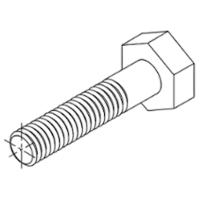
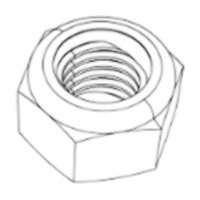
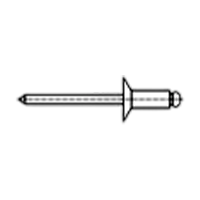
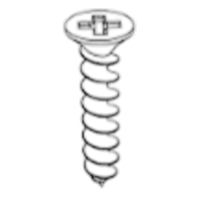


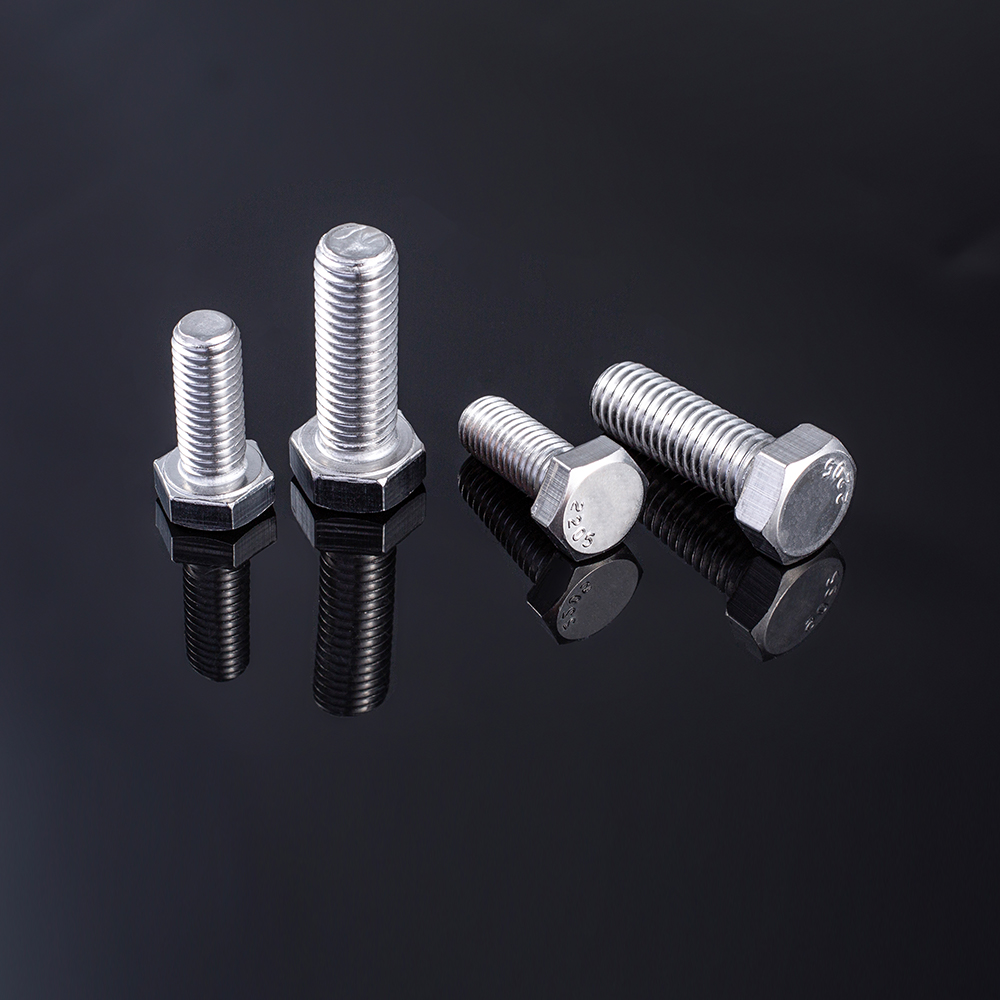
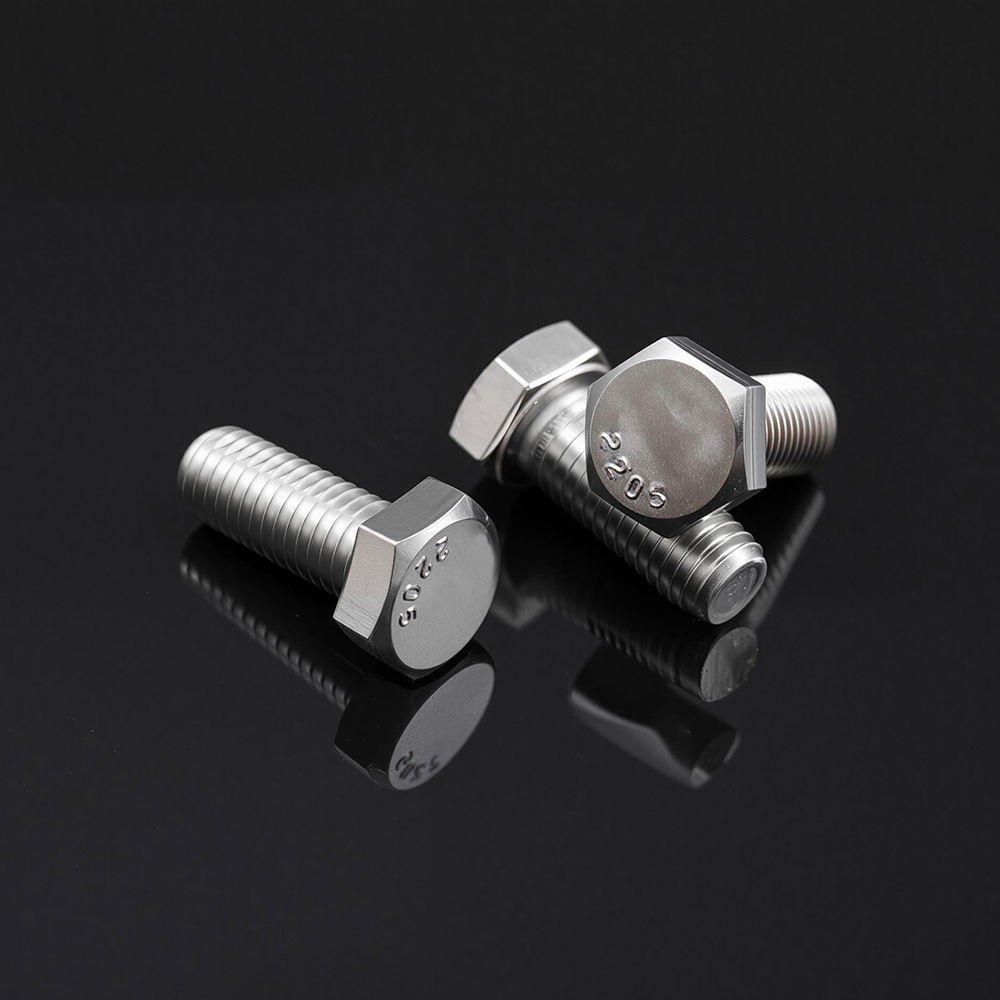
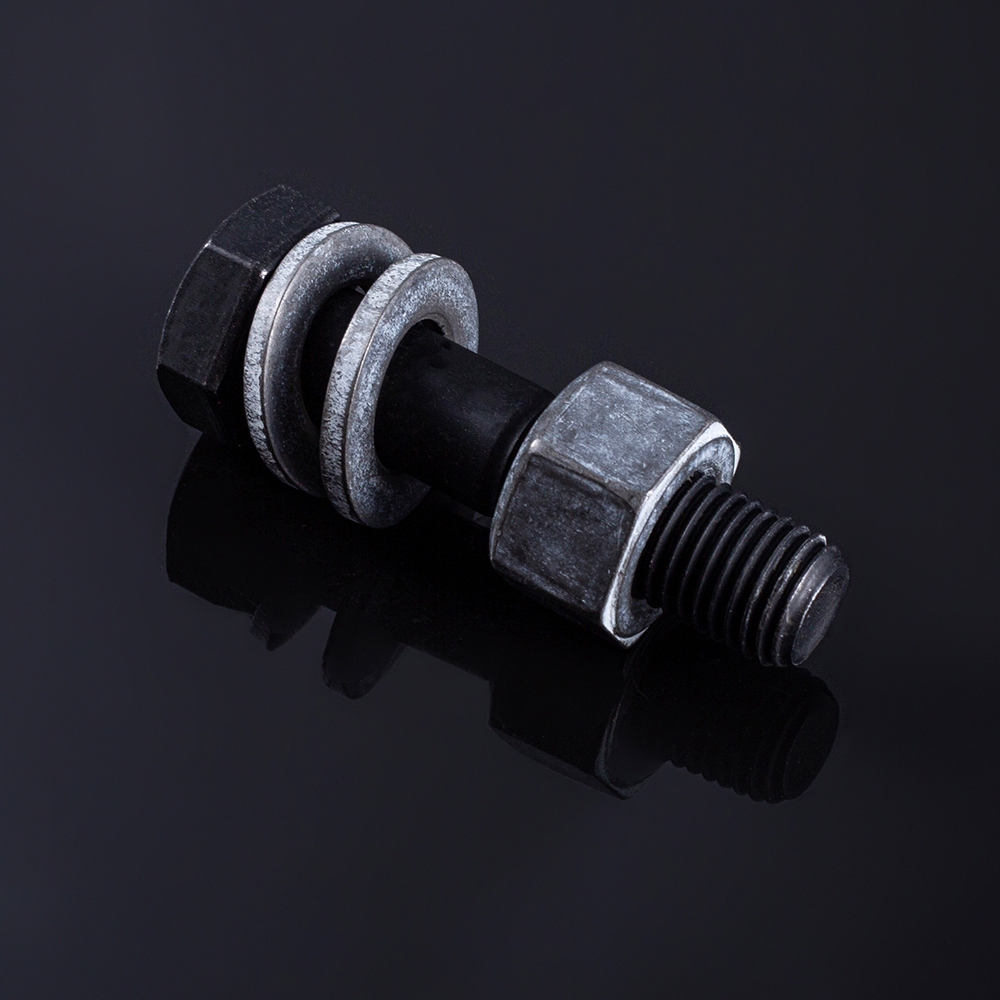
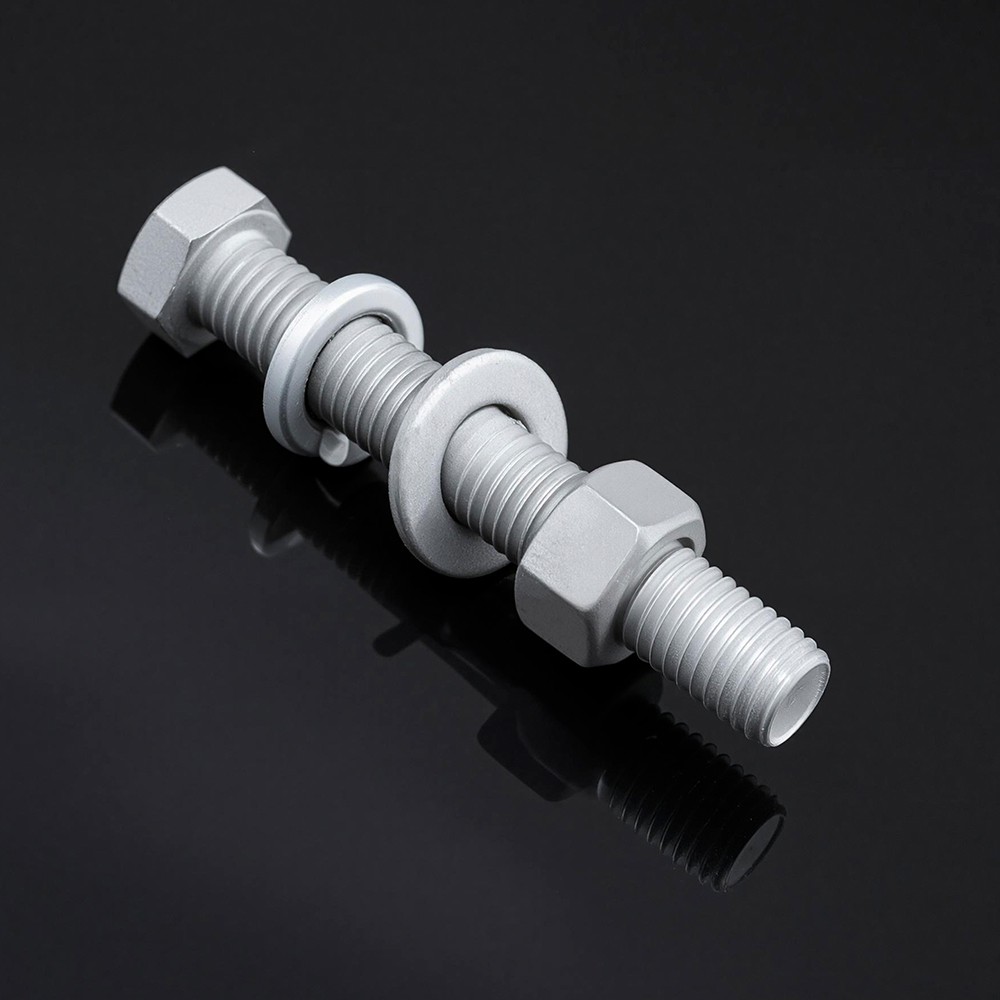
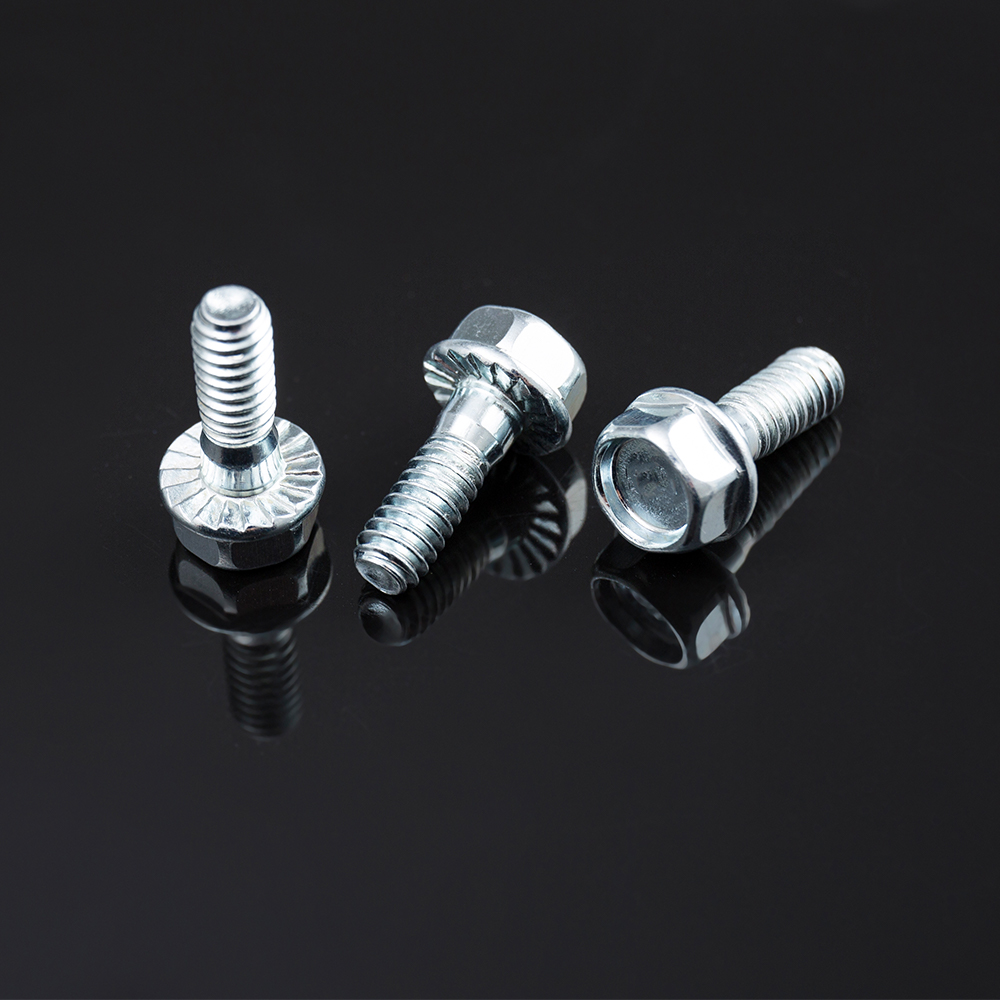
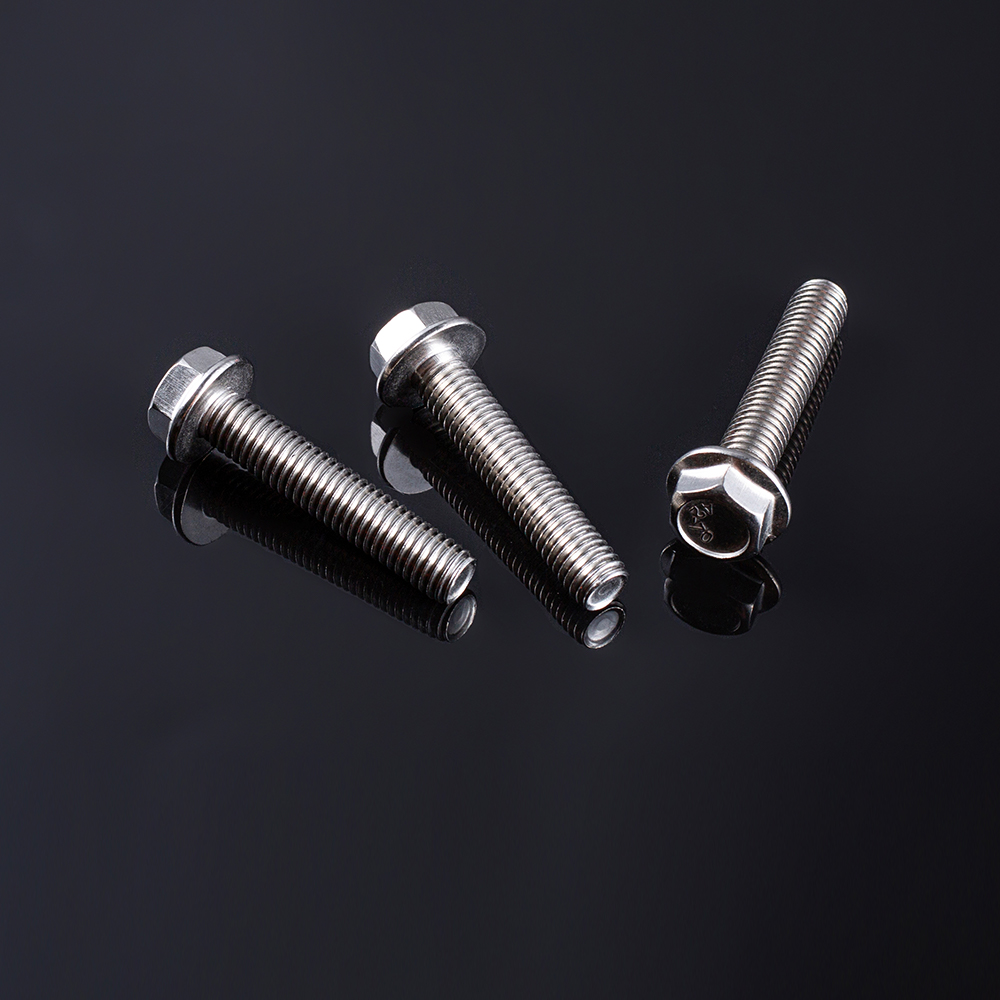
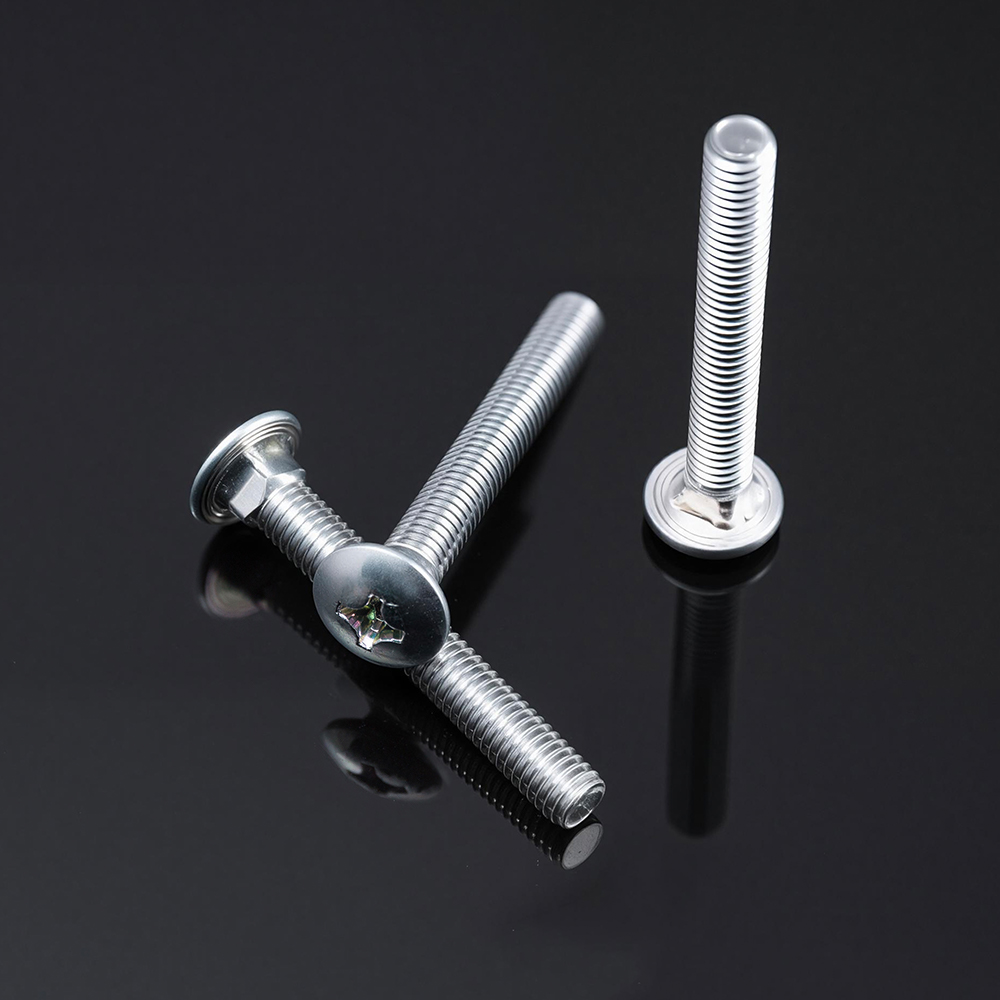
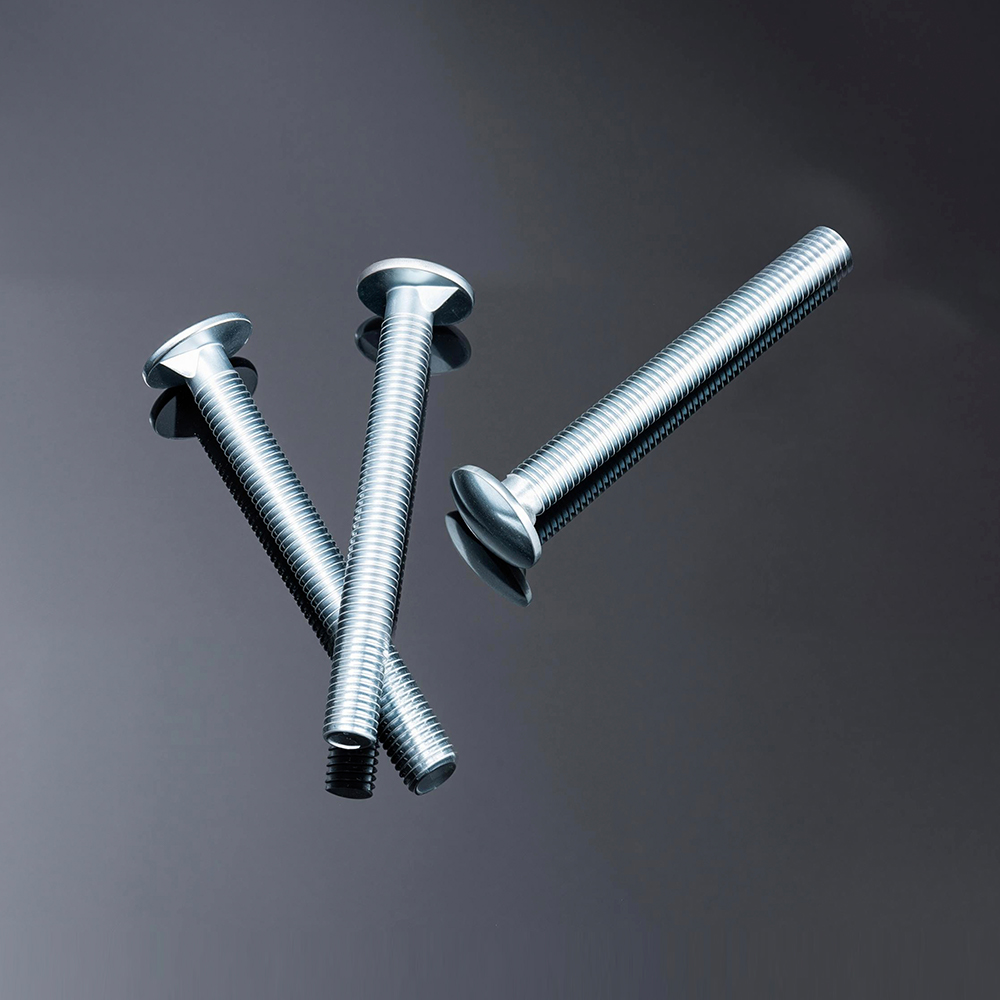
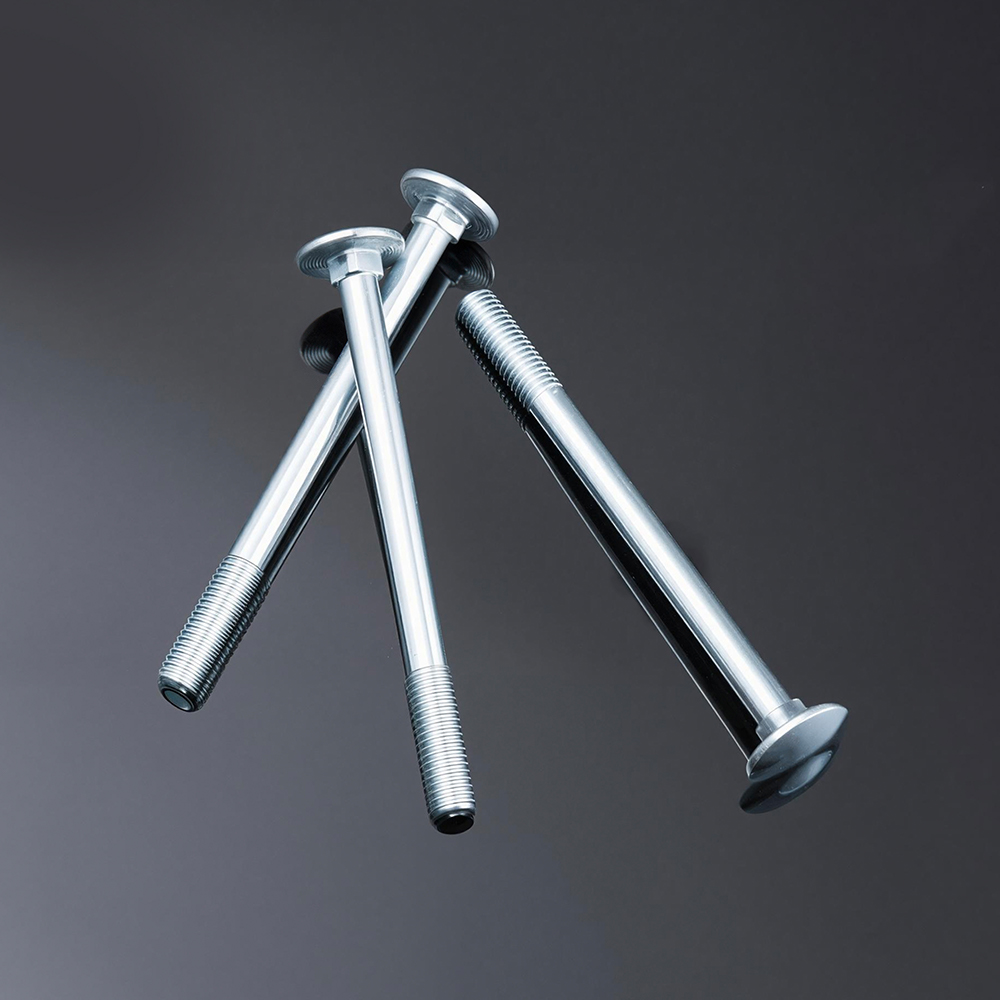
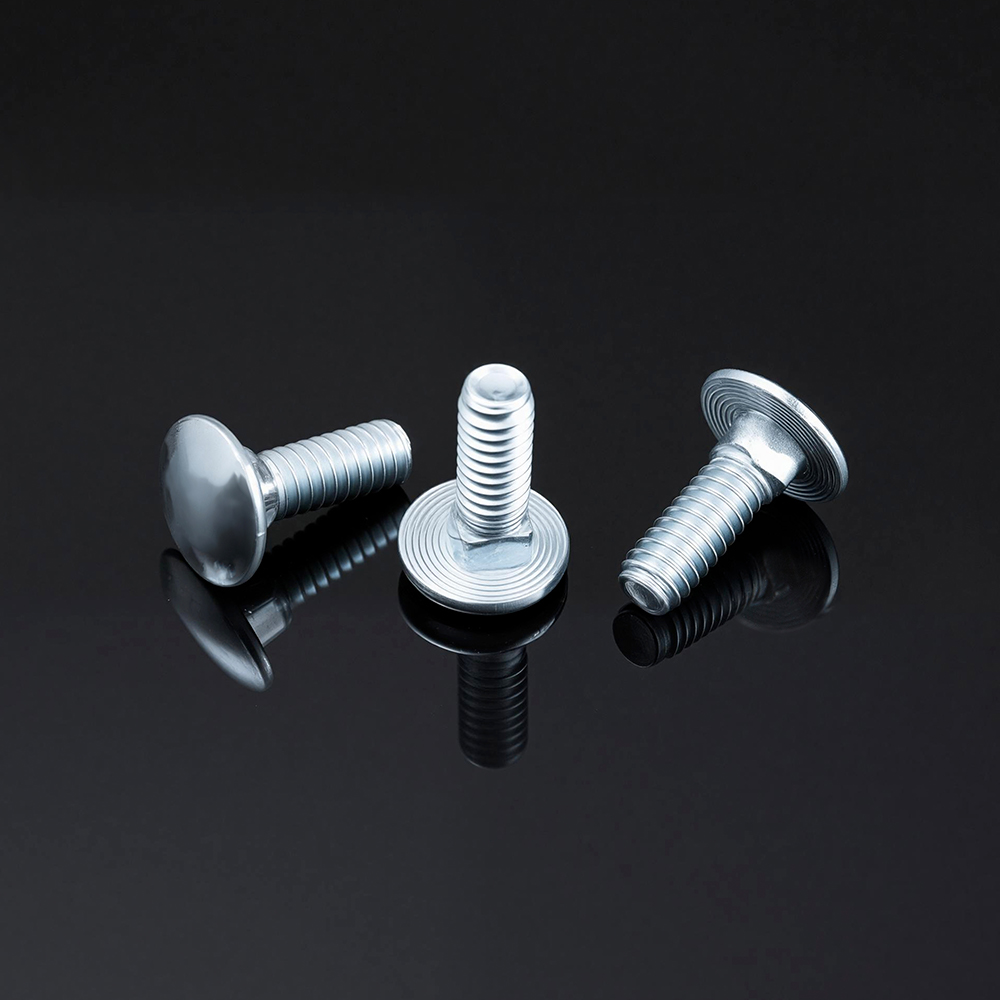
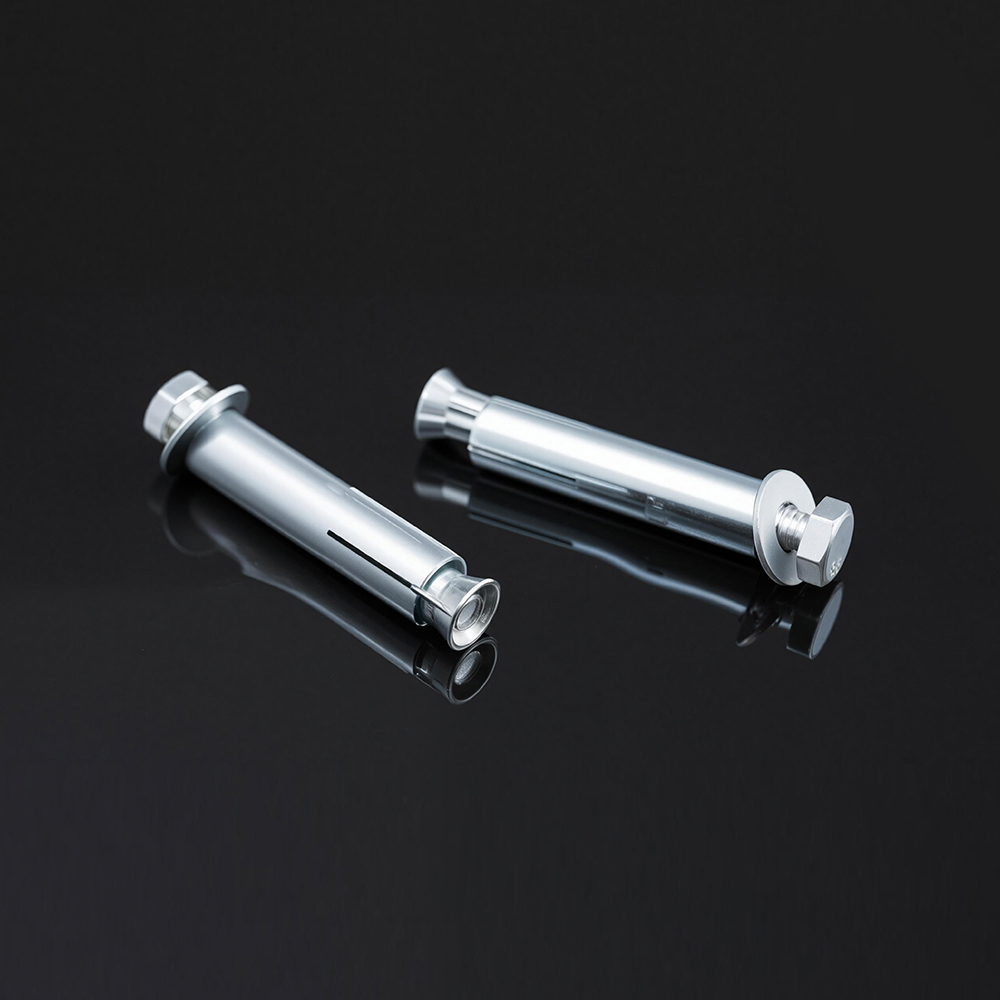
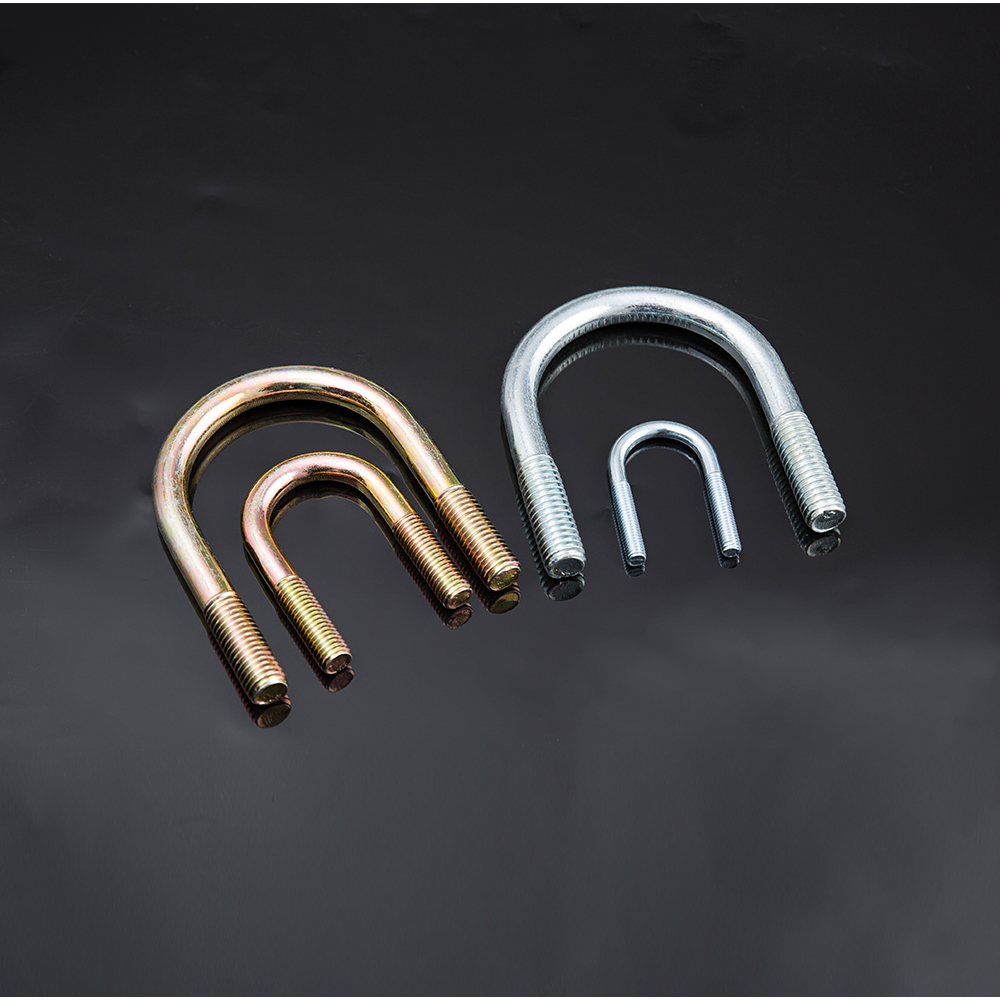
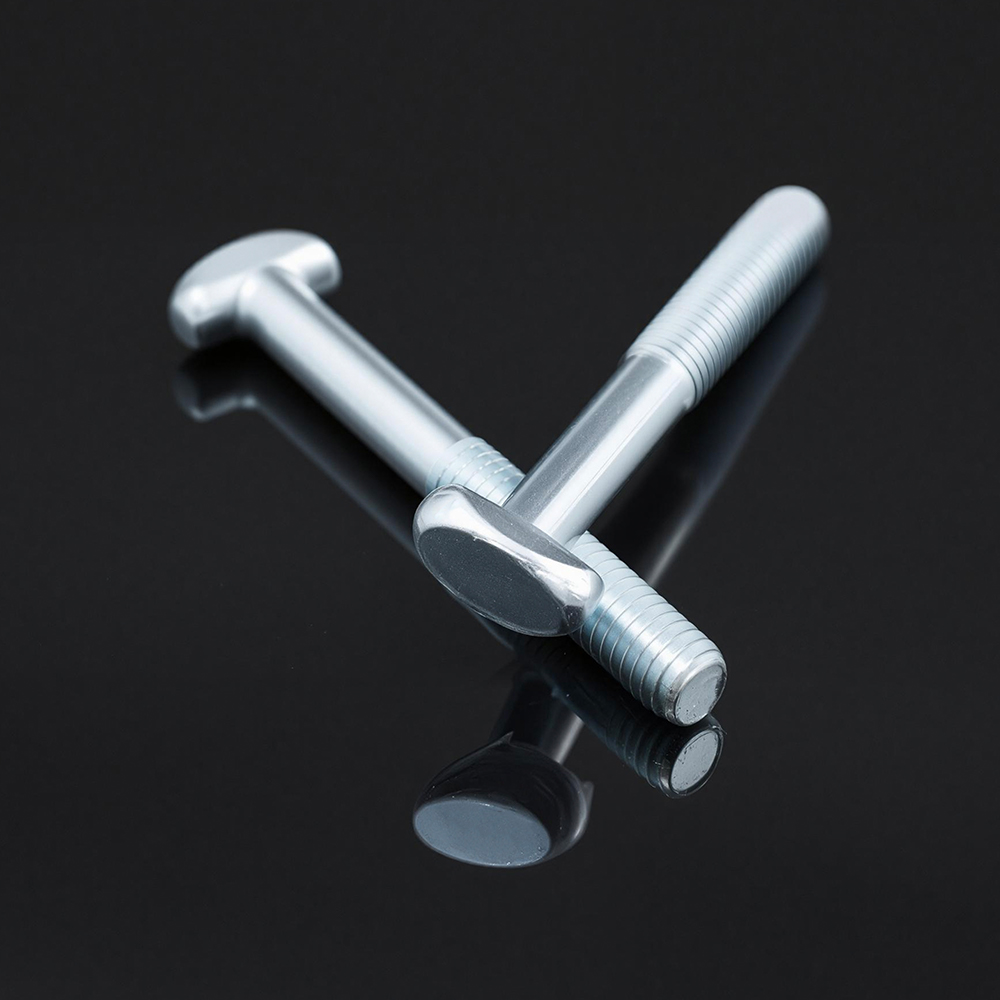
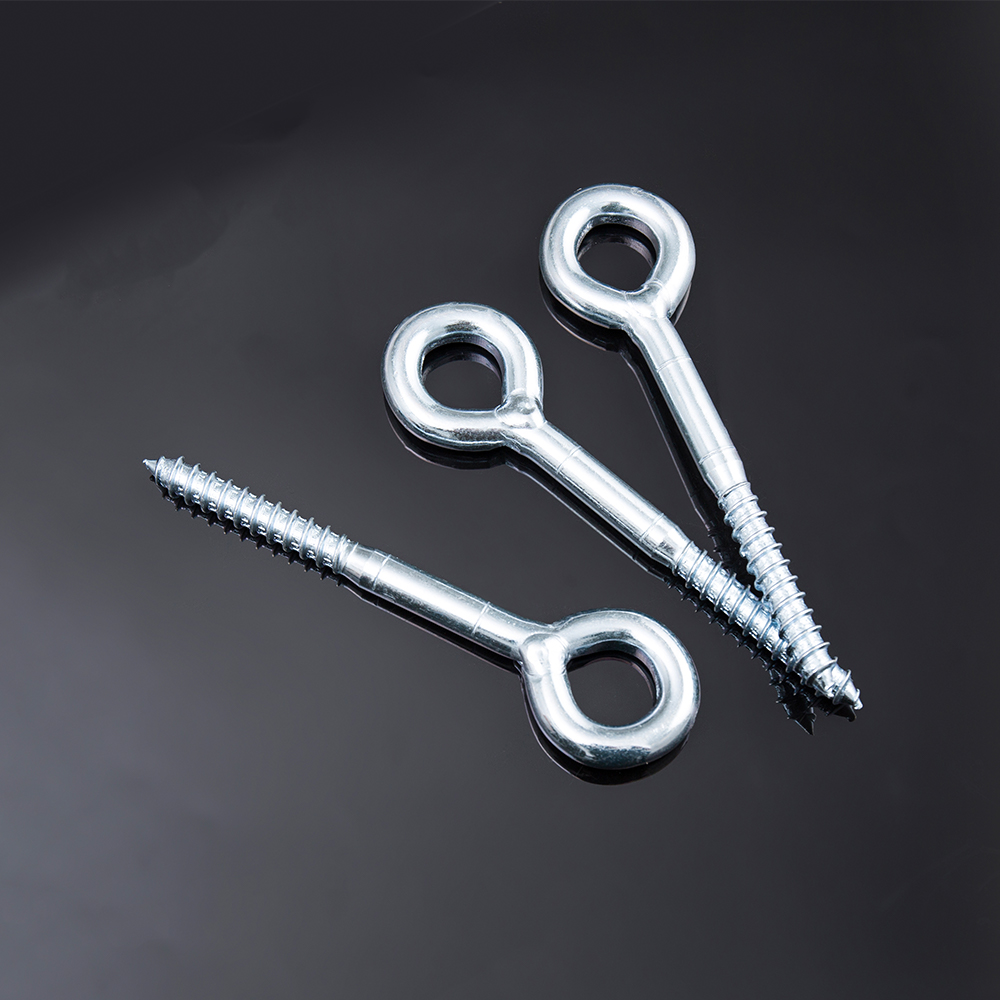
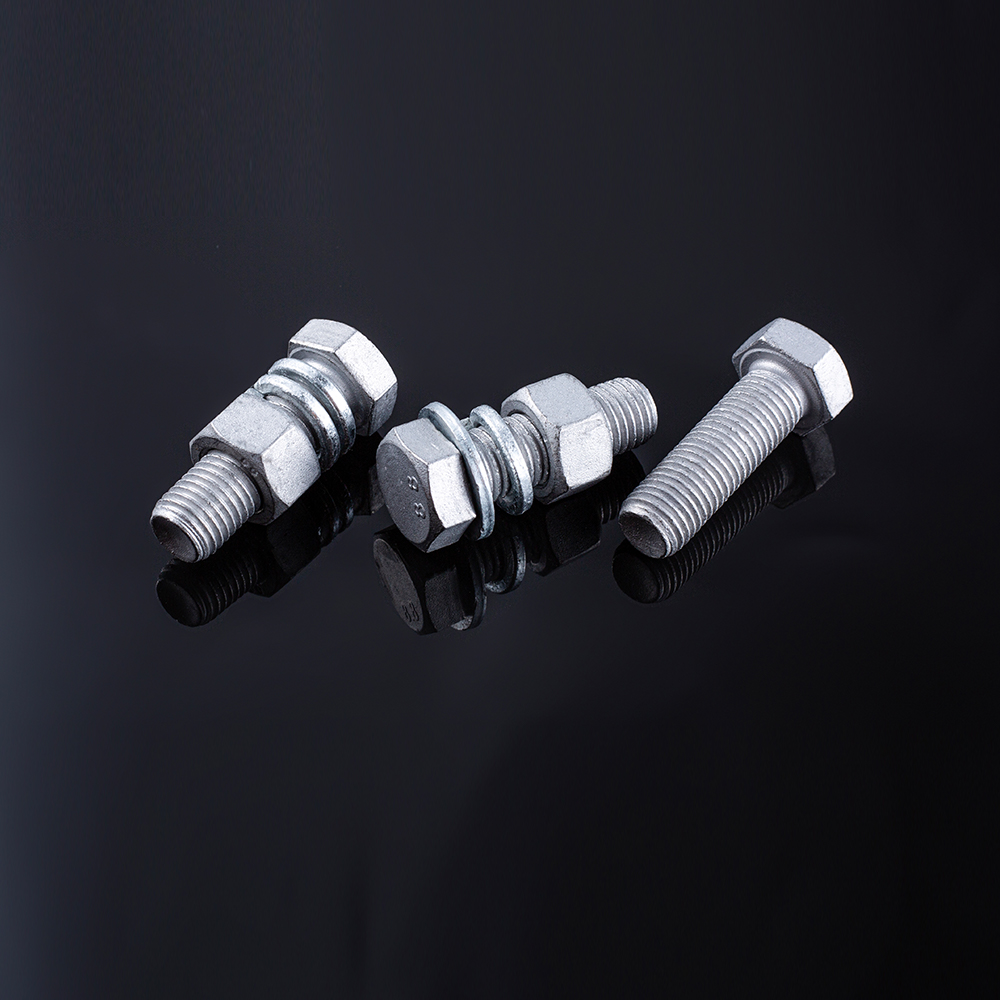
Stainless Steel Screws and Nuts
Stainless steel screws and nuts are precision-engineered fastening components manufactured from austenitic, martensitic, or duplex stainless steels. Production involves cold heading, thread rolling, and controlled heat treatment to achieve property classes 70, 80, or 100 per ISO 3506. Thread forms follow ISO 68-1 metric or ANSI/ASME B1.1 unified standards. Surface passivation (ASTM A967) removes free iron and enriches the chromium-oxide layer, providing passive corrosion protection in oxidizing and mildly reducing environments. Dimensional tolerances adhere to ISO 965-1 and ANSI B1.2, ensuring consistent fit with standard nuts and tapped holes. These fasteners are supplied in various head styles, drive recesses, and coatings, with traceable material certifications available.
Core Advantages
- Corrosion resistance: passive film (Cr₂O₃) provides protection in marine, industrial, and high-humidity environments.
- Mechanical strength: tensile strength from 500 MPa (class 70) up to 1000 MPa (class 100) for load-bearing joints.
- Thread accuracy: rolled threads with smooth flanks reduce friction and increase fatigue life.
- Thermal stability: retains dimensional integrity under cyclic temperature changes up to 300°C.
- Coating compatibility: available with dry-film lubricant, wax, or PTFE for controlled torque-tension relationships.
Product Characteristics
| Attribute | Details |
| Material grades | 304 (A2), 316 (A4), 410 (martensitic), 2205 (duplex) |
| Thread standards | ISO metric (M2–M36), UNC, UNF, 8UN |
| Property classes | 70, 80 (austenitic); 100 (martensitic); 120 (duplex) |
| Surface treatments | Passivation, electro-polishing, zinc plating, anti-seize coating |
| Head configurations | Hex, pan, flat, countersunk, flange, button, socket |
| Drive types | Hex, Phillips, Torx, slotted, square, combination |
| Diameter range (metric) | M2 – M36 (coarse and fine pitch) |
| Diameter range (inch) | #2 – 1-1/2 inch (UNC/UNF) |
Mechanical property reference
- Class 70 (304/316): proof load 450 MPa, tensile 500–700 MPa
- Class 80 (304/316): proof load 600 MPa, tensile 700–800 MPa
- Class 100 (410/420): proof load 830 MPa, tensile 900–1000 MPa
- Class 120 (duplex): proof load 1000 MPa, tensile 1100–1200 MPa
Application Fields
- Marine and offshore: deck hardware, subsea connectors, rigging fittings.
- Food & beverage: conveyors, mixers, filling machinery, stainless steel frameworks.
- Chemical processing: pipe flanges, reactor supports, valve actuators, pump casings.
- Architectural construction: curtain wall anchors, structural glazing, cladding supports.
- Automotive: exhaust system joints, turbocharger brackets, chassis fasteners.
- Renewable energy: solar panel mounting, wind turbine tower connections, hydroelectric components.
Grade 304 (A2)
- 18Cr-8Ni
- General purpose
- Indoor / mild outdoor
- Cost-effective
Grade 316 (A4)
- 16Cr-10Ni-2Mo
- Marine / chemical
- Chloride resistance
- Higher pitting resistance
Duplex 2205
- 22Cr-5Ni-3Mo-N
- High strength
- Stress corrosion resistant
- Oil & gas, seawater
Technical Guidance & Assembly Solutions
Torque-tension relationship
For stainless steel fasteners, the coefficient of friction ranges from 0.15 to 0.35 depending on surface condition. Use the formula T = K × d × F (where K is nut factor, d is nominal diameter, F is preload) to determine target torque. Lubricated threads (K ≈ 0.15–0.18) require lower torque compared to dry threads (K ≈ 0.25–0.30). Always verify with a calibrated torque wrench and perform relaxation checks after initial tightening.
Prevention of thread galling
Galling is a severe form of adhesive wear that occurs in self-mating austenitic stainless steels. Mitigation strategies: apply anti-seize compound (nickel or copper based), use coated fasteners (wax, PTFE), reduce tightening speed, and avoid excessive torque. For critical joints, consider using dissimilar alloy combinations (e.g., 304 screw with 316 nut).
Corrosion management in aggressive media
In environments with chlorides, sulfides, or low pH, select 316 or duplex grades. Passivation according to ASTM A967 (citric or nitric acid) restores the passive layer after machining. For crevice risks, use fully threaded fasteners with polymer seals or apply sealants to close gaps.
For bolted joints with gaskets or soft materials, re-torque after 24 hours to compensate for embedment relaxation. Use hardened washers under the bolt head and nut to distribute load and prevent bearing damage.
Frequently Asked Questions
Storage & Handling Practices
- Store in clean, dry area with relative humidity below 55% to preserve passivation.
- Avoid contact with carbon steel, copper, or graphite to prevent galvanic or contamination issues.
- Use plastic or coated trays and bins; separate by grade and size.
- Implement FIFO rotation; recommended shelf life up to 36 months in original packaging.
- Inspect for rust spots or discoloration before use; re-passivate if necessary.

Leveraging the factory's robust R&D and production capabilities, we specialize in high-strength rivets bolts, nuts, washers, pins, screws, and various non-standard custom parts. As experienced Custom Stainless Steel Screws and Nuts Suppliers, we provide flexible manufacturing solutions for different customer requirements. Our product range covers materials including stainless steel, alloy steel, aluminum alloy, copper, and special alloys, utilizing processes such as cold heading, hot forging, and CNC machining. Our products are exported to over 25 countries, serving more than 200 clients.
Chance & Union is committed to seamlessly connecting "Manufactured in China" with the international market, providing global customers with one-stop fastening solutions from R&D to mass production through professional technology and exceptional quality.





