
Content
Order an M6 x 10 "set screw" from a UK trade counter and you may receive a fully threaded hex bolt. Order the same line item from a North American distributor and you will get a small, headless socket screw that disappears completely inside a hub. Both suppliers behave exactly as their markets expect, and neither will consider the shipment wrong.
That gap between two correct answers is what makes grub screw vs set screw a genuine procurement problem rather than a vocabulary quiz. The working answer is simple: a grub screw is a headless, fully threaded set screw that sits entirely inside its tapped hole, while "set screw" is the wider family name for any screw that locks a part against a shaft or inside a housing. In UK trade usage, "set screw" can also mean a fully threaded hex bolt. Every section below builds on that one sentence.
A grub screw is always a set screw, but a set screw is not always a grub screw. The word "grub" describes geometry; the word "set" describes the job the fastener performs.
A set screw is a threaded fastener that secures a gear, pulley or collar against a shaft or inside a housing by pressing its hardened point against the mating surface instead of clamping with a nut. A grub screw is the headless, fully threaded version that sits entirely within its tapped hole and leaves no protruding head.
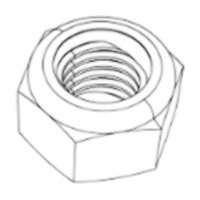
Headless grub screw
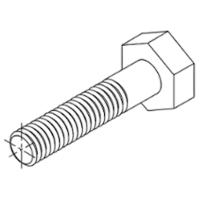
Headed set screw
The terminology splits by market. In the US, "set screw" is the category and headless socket types are the default. In UK engineering usage, "grub screw" means exactly the headless, fully threaded part. On UK trade counters, "set screw" usually means a fully threaded hex bolt of the DIN 933 family, which Americans call a tap bolt. If a UK order for "set screws" arrives as headed hex bolts, nobody made a mistake; the two sides read the same word differently.
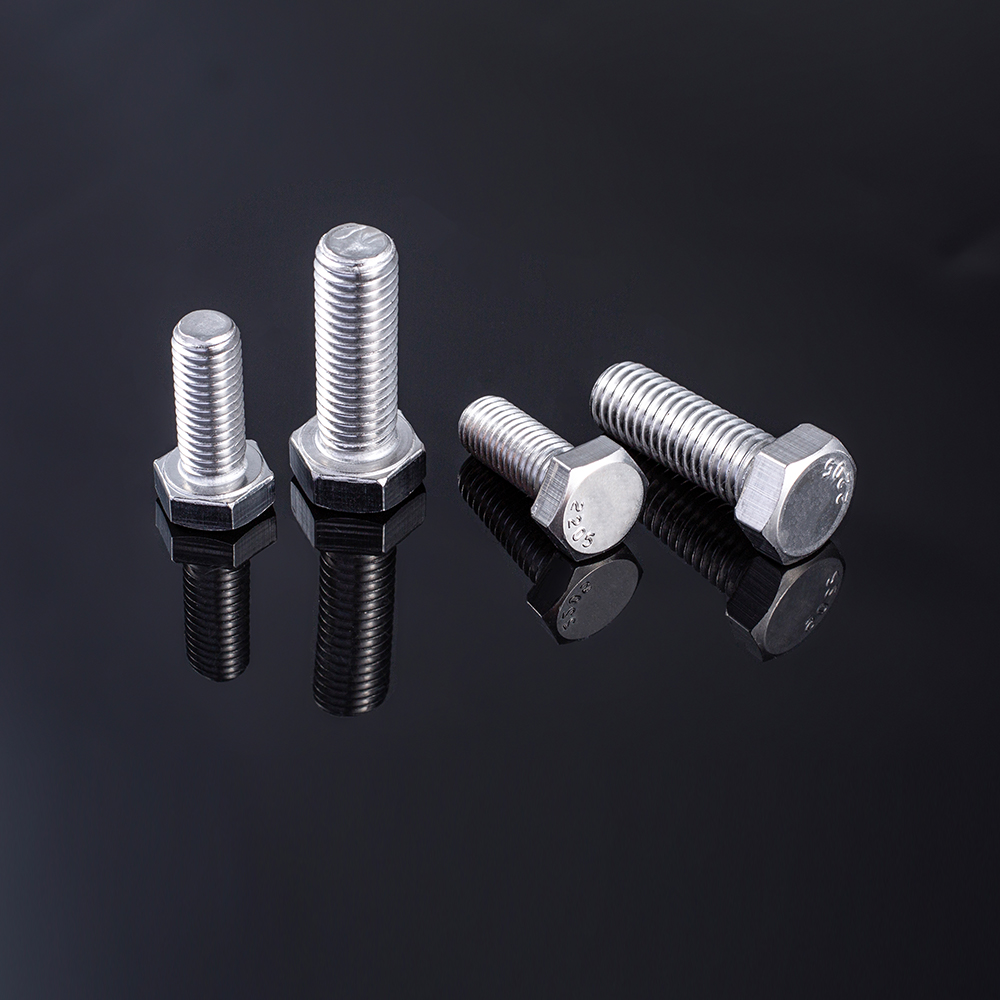
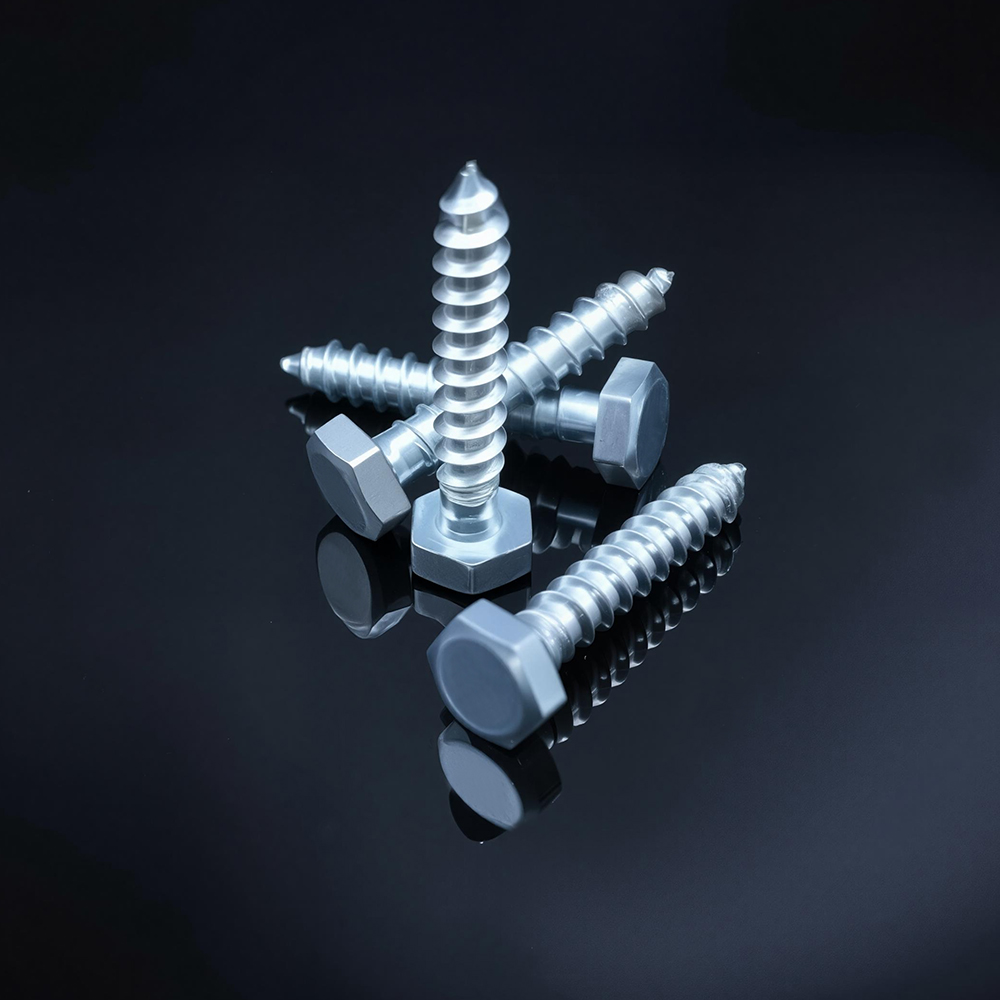
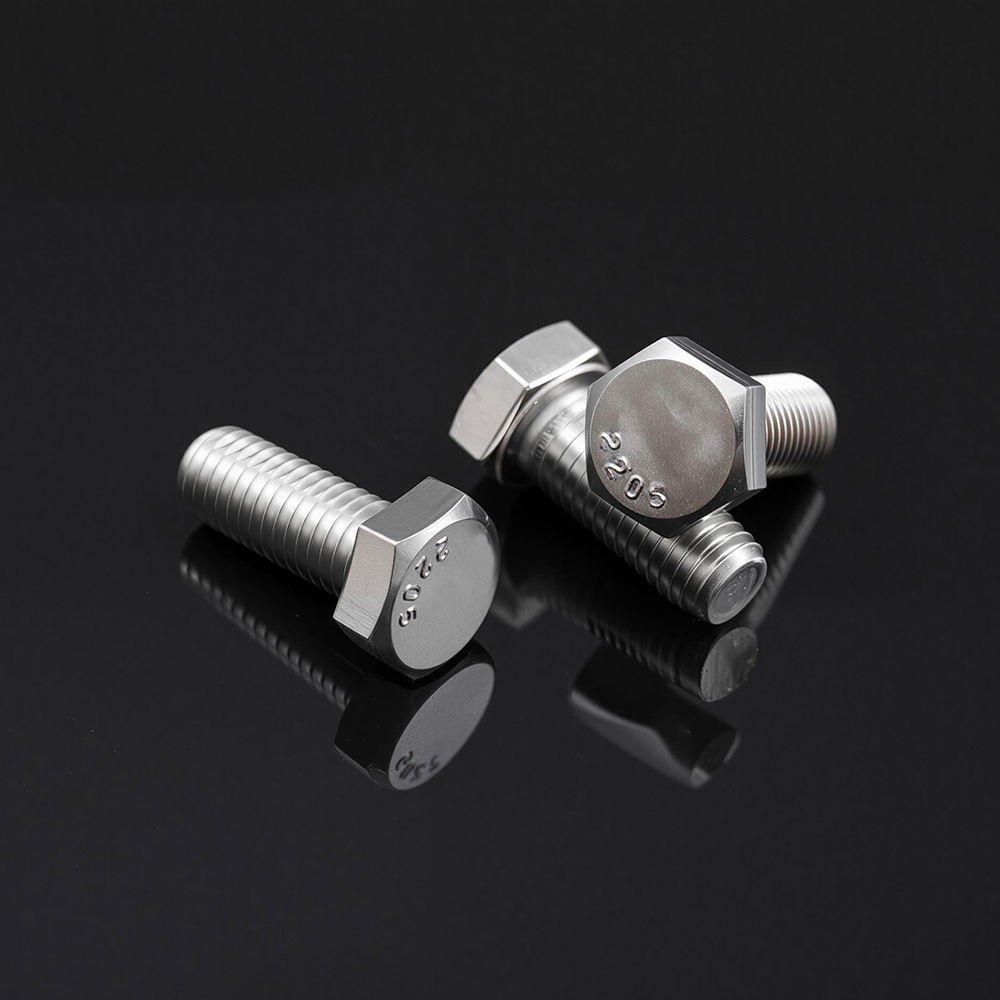 Fully Threaded Hex Tap Bolt for Direct Tapped-Hole FasteningA fully threaded hex head fastener that threads straight into tapped holes without a nut, in metric and imperial sizes. It matches the text's point that a UK order for set screws often arrives as this DIN 933-style tap bolt.View Product →
Ambiguous naming produces wrong deliveries, re-machined hubs and stalled assembly lines, and one habit avoids it: specify the standard instead of the nickname. A drawing note reading "grub screw, M6" leaves a supplier three valid interpretations; "DIN 916-45H, M6 x 12, cup point" leaves exactly one. US drawings can cite ASME B18.3 from the American Society of Mechanical Engineers, and ISO 4026 to ISO 4029 from the International Organization for Standardization cover the four metric point types.
Cup point is the correct default for most shaft-locking jobs, and every other point type is a deliberate exception. The point is the only part of the screw that does mechanical work; everything else exists to deliver torque to it.
| Point type | Contact behavior | Best use | Watch out for |
| Cup | Hollowed circular edge that bites into the shaft | General shaft locking in steel hubs | Marks soft shafts; can loosen under vibration |
| Flat | Smooth, full-face contact | Thin-walled hubs, soft shafts, frequent adjustment | Lowest resistance to rotation |
| Cone | Deep penetration for a permanent grip | Permanent setting where removal is unlikely | Nearly destructive and hard to remove |
| Dog | Cylindrical pilot that enters a drilled hole or groove | Locating parts and retaining them axially | Needs a precisely aligned dimple |
| Knurled cup | Serrated edge that resists spin-out | Vibrating assemblies and rotating loads | Higher seating torque required |
Point quality is also why tolerance discipline matters so much at these sizes. The same logic that explains how industrial precision screws improve accuracy and reliability in high-tolerance assemblies applies directly to point contact on a rotating shaft.
A hardened cup point biting into an aluminum shaft behaves like a milling cutter: the first seating pass marks the surface, and the second seats inside the groove it created. On soft shafts, switch to a flat or dog point and control the seating torque.
A hex socket drive lets a small screw accept several times more torque than a slotted drive survives, which is exactly why headless socket set screws dominate industrial shaft locking. Slotted drivers cam out under load and chew the slot; a hex key seats fully and transfers torque into the screw body rather than out of the driver.
Typical seating torque, hardened alloy steel socket set screws
Typical published catalog values; verify against the governing standard and point type.
The scaling is steep: an M10 accepts roughly seventeen times the seating torque of an M4, so undersizing by one diameter can halve the clamp load you can safely develop. Socket sizes are shared across the socket-head family, so the hex keys that drive cap hardware such as hex socket cap machine screws also drive most set screws in the same assembly.
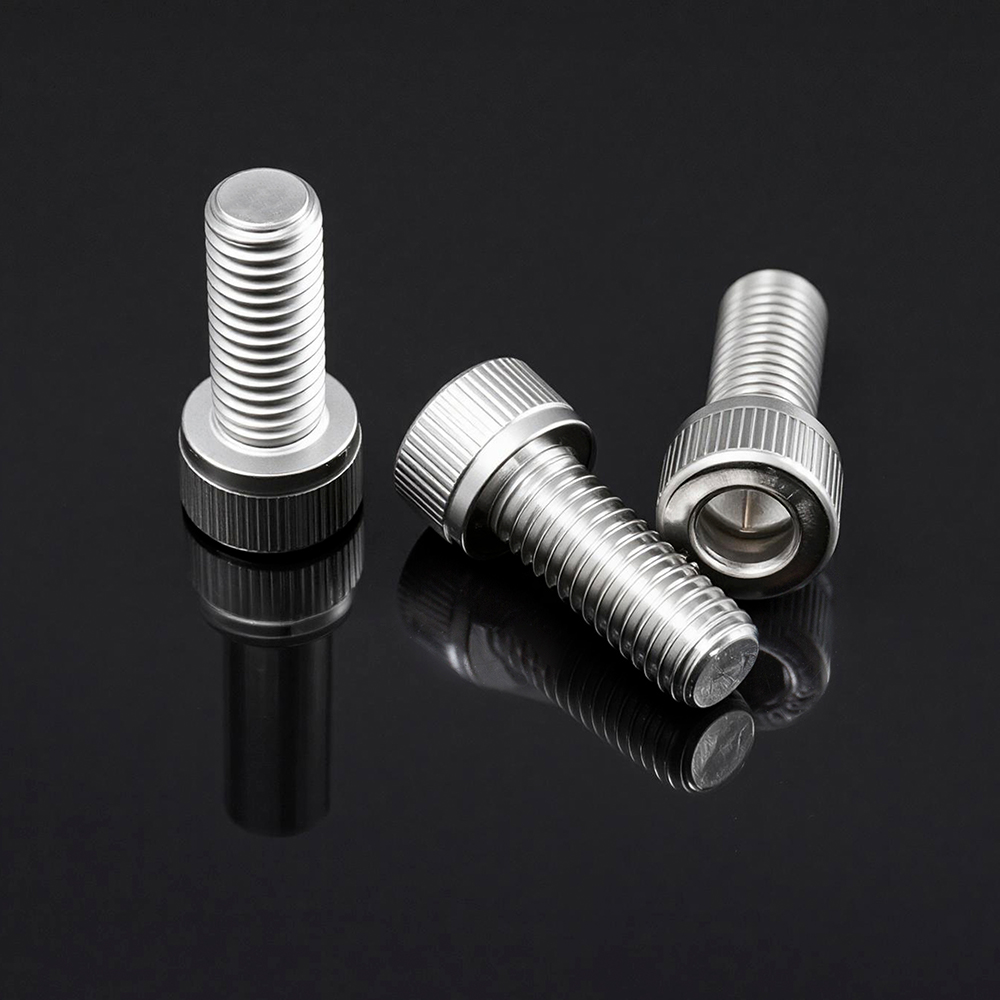 High-Strength Hex Socket Cap Machine ScrewA cylindrical-head screw with internal hex drive for high-torque, high-clamp applications. Its hex key drive matches the socket sizes shared across the socket-head family, so the same keys drive most set screws in the same assembly.View Product →
Hardened alloy steel is the default material for set screws; stainless steel answers corrosion, and brass or nylon answers soft, non-magnetic or insulating requirements. Each trade-off shows up at the point first.
Alloy steel parts are through-hardened, with point hardness commonly in the 45-53 HRC range on the Rockwell C scale, usually finished in black oxide for mild corrosion protection. Stainless versions in A2 or A4 grade trade hardness for corrosion resistance, carry a real risk of thread galling, and normally call for reduced seating torque plus an anti-seize lubricant. Brass is soft, non-magnetic and gentle on mating surfaces; nylon suits light-duty, electrically insulating fixes. For wet or washdown environments, pairing these parts with matching stainless steel screws and nuts keeps the whole joint electrochemically consistent.
Never let a point harder than the shaft bite it: match the hardness, change the point geometry, or do both.
Six line items on a purchase order remove nearly all of the ambiguity that the two names create. Written in this order, they let any qualified supplier quote without a clarifying email.
When a job falls outside catalogs, such as an intermediate length, a special point geometry or a non-standard hardness, it moves into custom manufacturing. Suppliers such as Zhejiang Chance & Union Import and Export Co., Ltd. build non-standard bolt and screw programs directly from customer drawings, which is usually faster and cheaper than forcing a catalog part to fit.
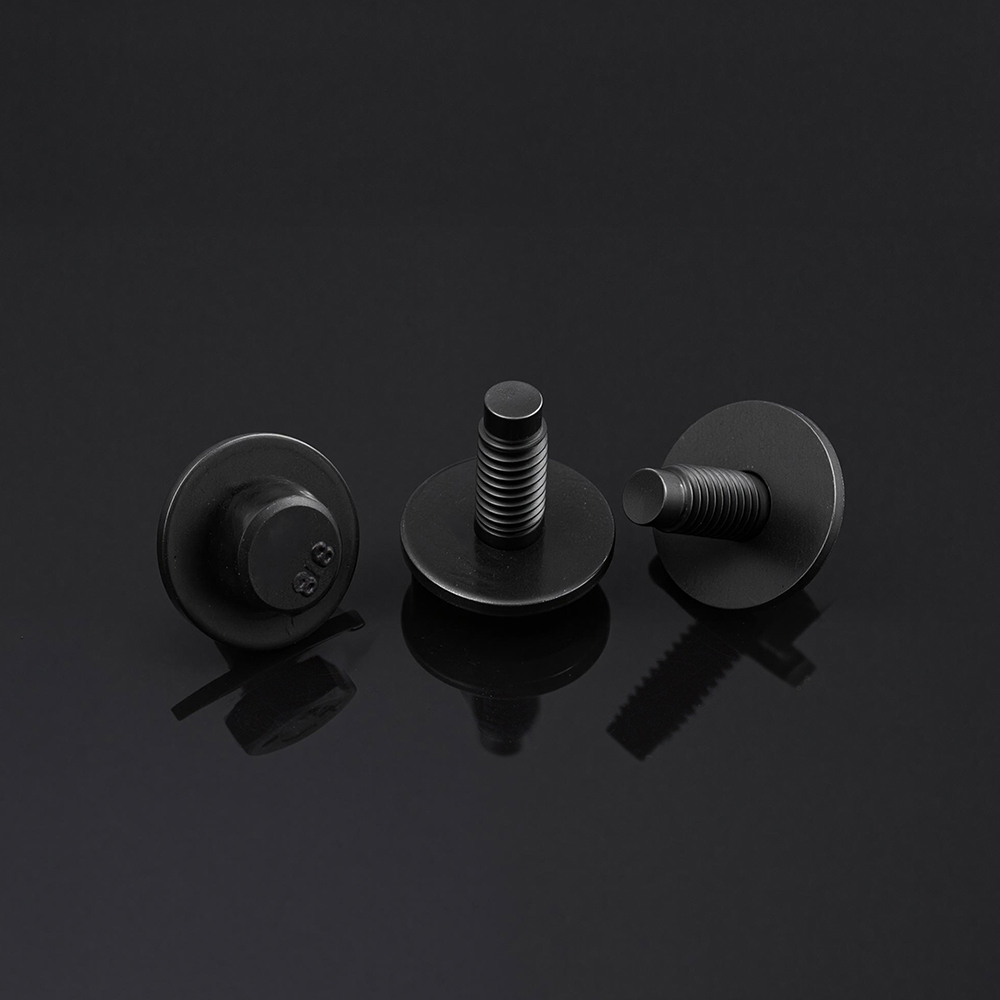
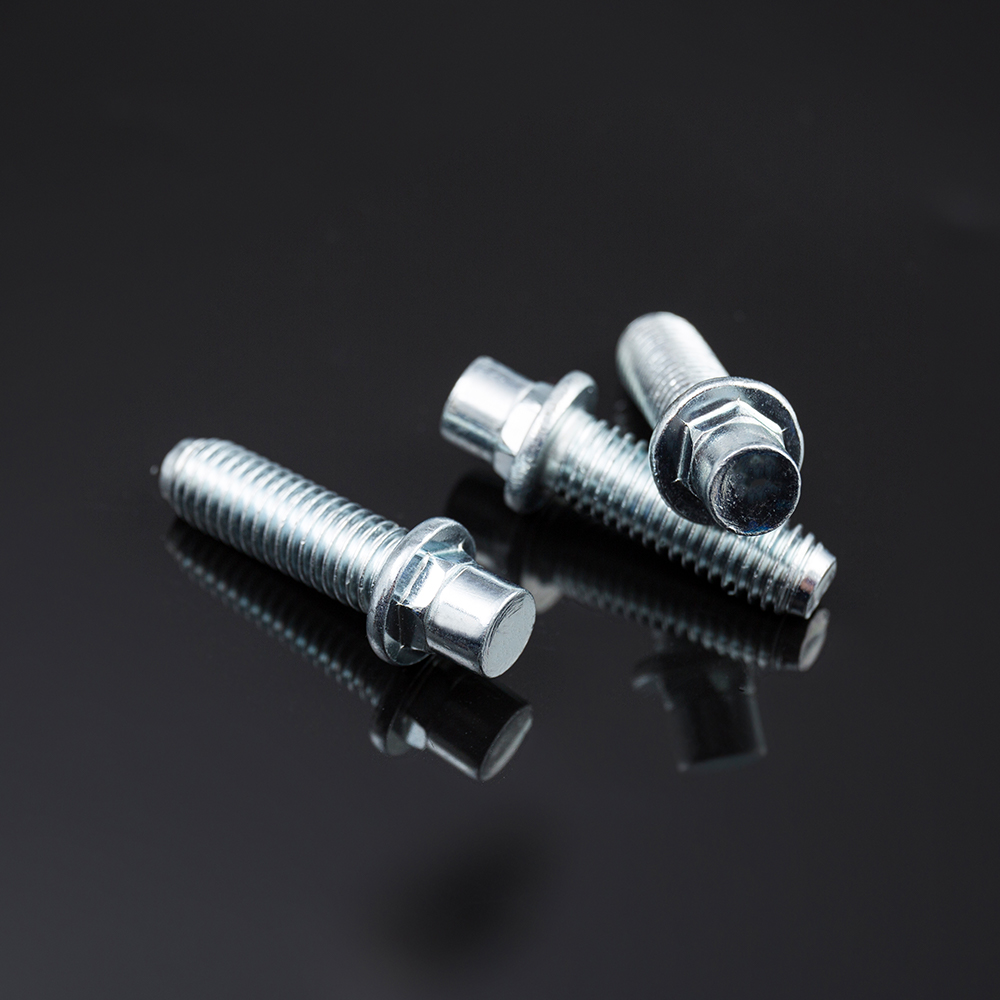 Custom Non-Standard Bolts and Screws to DrawingFor special lengths, point geometries or hardness levels outside standard catalogs, suppliers build non-standard bolt and screw programs directly from customer drawings, often faster and cheaper than adapting a catalog part.View Product →
Skim version: if it is headless and fully threaded, call it a grub screw; if it locks a hub against a shaft, it is doing a set screw's job; if it has a hex head and full thread in the UK, expect a bolt.
A grub screw is one type of set screw: headless, fully threaded and designed to sit entirely inside its tapped hole. "Set screw" is the broader family, and in UK trade usage it can also mean a fully threaded hex bolt.
Cone point delivers the deepest penetration and the highest resistance for permanent installations. For vibration-prone joints that still need service access, knurled cup point resists spin-out better than plain cup point, which remains the sensible general-purpose default.
You can, but you usually should not. The hardened point digs in and damages the surface. Choose a flat or dog point, consider a brass or stainless screw, and control the seating torque.
Measure the thread diameter and pitch, the overall length from bearing face to point tip, and the drive size, then identify the point type. Matching the standard number, such as DIN 916, makes the reorder exact.
Every grub screw is a set screw, but only the drawing knows which set screw you meant. Name the standard, the point and the hardness, and the two words finally behave.
Keep that line on your templates, and the next grub screw vs set screw argument ends before it starts.






 English
 Español
 عربى
عربى