

Content
As manufacturing industries continue to move toward automation, intelligent production, and high-precision engineering, the demand for reliable fastening solutions has increased significantly. Traditional screws may meet basic assembly requirements, but modern industrial equipment requires components with higher dimensional accuracy, stronger mechanical stability, and better performance under continuous operation. This has made industrial precision screws an essential part of many advanced manufacturing systems.
Industrial precision screws are designed to provide accurate positioning, secure fastening, and consistent performance in demanding industrial environments. They are widely used in machinery, automation systems, electronic equipment, medical devices, automotive production lines, and other applications where assembly accuracy directly affects equipment operation.
Unlike standard fasteners, precision screws focus not only on connection strength but also on manufacturing tolerance, thread consistency, material performance, and long-term reliability. As industries require more customized solutions, precision screws for industrial applications are becoming increasingly important for improving production efficiency and reducing maintenance requirements.
Industrial precision screws are specially manufactured fasteners that are produced according to strict dimensional requirements and performance standards. They are commonly used in equipment where small deviations in assembly can influence the overall function of the machine.
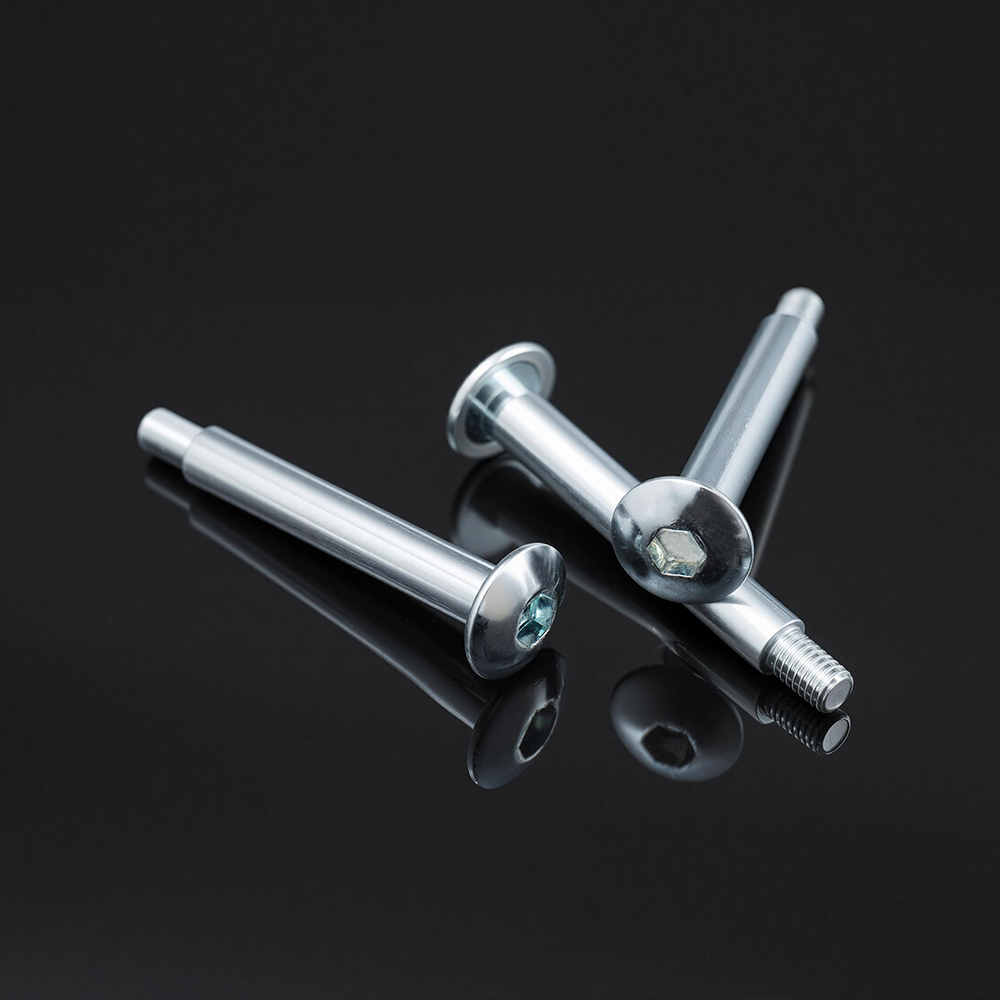
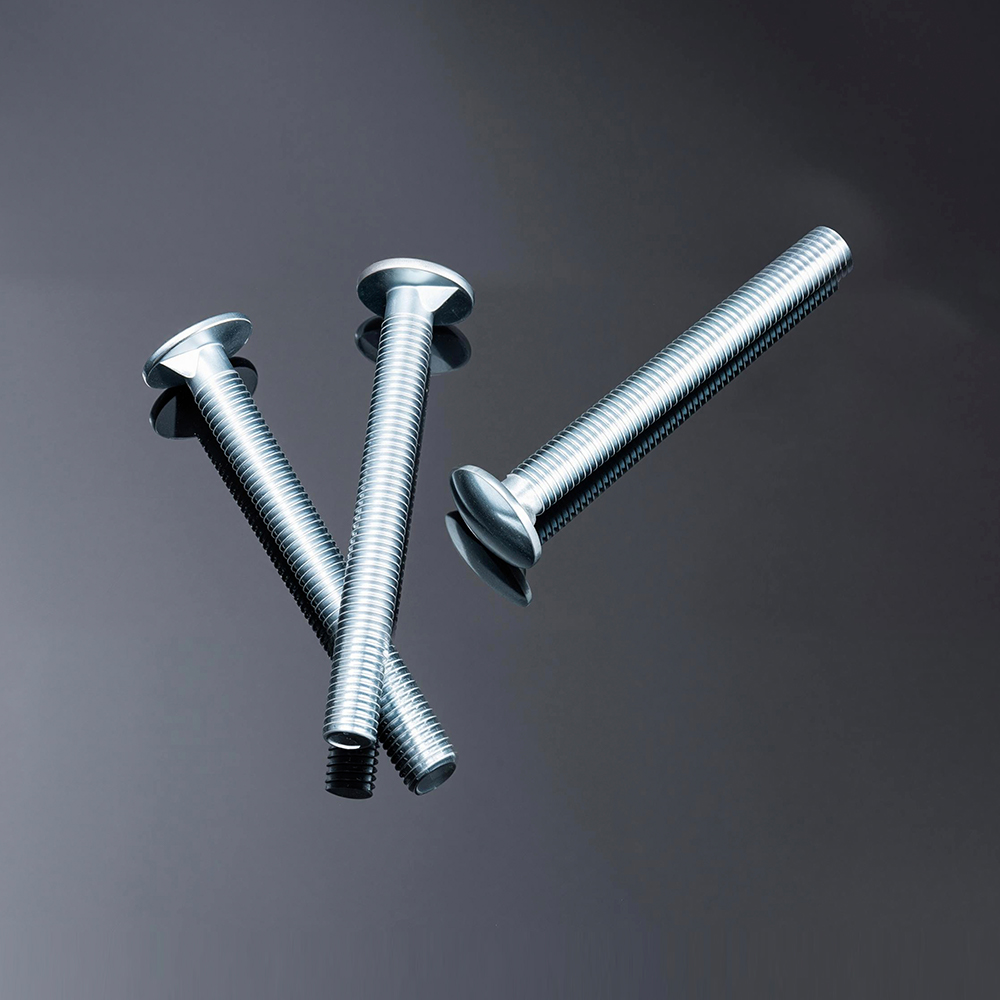
These screws typically feature accurately machined threads, controlled dimensions, stable mechanical properties, and customized designs. Depending on the application environment, manufacturers can provide different materials, surface treatments, head styles, and structural designs.
The main purpose of industrial precision screws is to maintain stable connections while supporting the precise alignment of mechanical components. In industries such as automation and precision machinery, even minor fastening errors can affect equipment accuracy and operational stability.
| Product Feature | Description | Industrial Application Benefits |
|---|---|---|
| High dimensional accuracy | Precise control of screw size, thread shape, and tolerance | Improves assembly consistency and positioning accuracy |
| Reliable fastening performance | Maintains stable connections under vibration and repeated loads | Helps reduce loosening and equipment downtime |
| Custom design capability | Supports different sizes, materials, and structural requirements | Meets specialized machinery requirements |
| Surface treatment options | Provides additional wear and corrosion resistance | Improves service life in demanding environments |
The growing adoption of precision manufacturing has increased the need for customized fasteners that can match specific equipment designs. This trend has also encouraged manufacturers to develop more advanced production methods for industrial precision screws.
One of the most important advantages of industrial precision screws is their ability to improve assembly accuracy. In complex machinery, multiple components must be installed with accurate positioning to ensure smooth operation.
Precision screws help maintain proper alignment between connected parts by providing consistent thread engagement and controlled fastening force. This is particularly important for automated equipment, robotics systems, and precision instruments where component movement must remain highly controlled.
Compared with general fasteners, precision screws provide better repeatability during assembly. This allows manufacturers to maintain stable production quality while reducing adjustment requirements during equipment installation.
Industrial machines often operate under vibration, impact forces, and continuous mechanical stress. A fastening solution that cannot maintain stability may lead to component movement, increased wear, or unexpected maintenance issues.
High-quality industrial precision screws are designed to provide dependable connections even in challenging working environments. Their accurate thread structure and suitable material selection allow them to maintain fastening performance during long-term operation.
For heavy-duty machinery and industrial systems, high strength industrial precision screws for heavy duty equipment can provide improved load resistance and support reliable equipment operation.
Modern manufacturing depends heavily on precision equipment. Production systems used for electronics, automotive components, medical devices, and automation require stable mechanical structures to maintain accuracy.
Precision screws help ensure that machine components remain correctly positioned during operation. This contributes to consistent production results and helps maintain the performance of high-precision equipment.
As manufacturing technology continues to develop, the importance of reliable fastening components will continue to increase.
Different industries have unique requirements for screw performance. Standard fasteners cannot always satisfy specialized equipment designs, which has increased demand for custom industrial precision screws for machinery applications.
Customized solutions allow manufacturers to select suitable materials, dimensions, thread designs, and surface treatments according to actual operating conditions.
| Industry | Screw Requirements | Common Applications |
|---|---|---|
| Automation Industry | High accuracy, vibration resistance, stable positioning | Robots, assembly equipment, automated production systems |
| Electronic Manufacturing | Compact size and precise installation | Electronic assembly equipment and instruments |
| Medical Equipment | Reliable fastening and clean surface requirements | Precision medical devices and laboratory equipment |
| Machinery Manufacturing | High strength and long-term durability | Industrial machines and processing equipment |
| Automotive Manufacturing | Resistance to vibration and repeated operation | Vehicle production systems and inspection equipment |
The flexibility of customized production makes precision screws suitable for various industries with different performance expectations. Manufacturers can optimize screw designs based on environmental conditions, mechanical loads, and installation requirements.
The development of CNC machining technology has significantly improved the manufacturing capability of precision fasteners. CNC machined industrial precision screws manufacturer services allow customers to obtain screws with complex structures, accurate dimensions, and consistent quality.
CNC machining provides precise control during screw production. Automated processing equipment can maintain consistent dimensions and thread accuracy, which is important for applications requiring repeatable assembly performance.
This manufacturing method is especially suitable for producing customized screws with special specifications that may not be available through standard production methods.
Industrial equipment designs are becoming more specialized, creating demand for customized fastening components. CNC processing allows manufacturers to produce screws according to specific engineering requirements.
Customization options may include:
This flexibility helps companies develop fastening solutions that match their equipment design and operating environment.
For industrial applications, product consistency is critical. CNC machining reduces variation between individual components and supports stable production quality.
Consistent precision helps manufacturers maintain reliable assembly processes, especially when producing equipment that requires multiple fastening points with identical specifications.
Selecting the right material is an important factor when choosing industrial precision screws. Different operating environments require different levels of strength, corrosion resistance, and durability.
| Material Type | Main Advantages | Suitable Applications |
|---|---|---|
| Stainless Steel | Corrosion resistance and stable performance | Medical equipment, outdoor machinery, precision instruments |
| Carbon Steel | Good strength and cost efficiency | General industrial machinery |
| Alloy Steel | Higher mechanical performance and durability | Heavy equipment and high-load applications |
| Titanium Alloy | Lightweight and corrosion resistant | Specialized precision applications |
Material selection should consider working conditions such as temperature, humidity, vibration levels, chemical exposure, and mechanical stress.
For example, stainless steel precision screws with corrosion resistance are often selected for applications where long-term exposure to moisture or corrosive environments may affect product performance.
Choosing suitable industrial precision screws requires consideration of several important factors.
Before selecting screws, manufacturers should analyze:
Understanding these factors helps determine the appropriate screw type and material.
Precision performance depends heavily on manufacturing quality. Important factors include:
High-precision production ensures that screws can provide stable performance throughout equipment operation.
For specialized applications, working with a manufacturer that provides customization services is important. A capable supplier should offer:
These capabilities help ensure that customized screws meet specific industrial requirements.
The industrial fastener market is moving toward higher precision, stronger customization, and improved performance. As automation equipment and smart manufacturing systems become more common, demand for advanced fastening solutions will continue to increase.
Modern machinery often requires unique structural designs. As a result, customized precision screws are becoming more common compared with traditional standardized products.
Manufacturers increasingly require screws that match specific equipment requirements rather than relying only on general-purpose fasteners.
Smart manufacturing systems require high reliability and accuracy. Precision components, including industrial precision screws, play an important role in maintaining stable equipment operation.
Future manufacturing processes will continue to emphasize accuracy, efficiency, and quality consistency.
Industrial users are paying more attention to product lifecycle and maintenance efficiency. Screws with improved materials, surface treatments, and precision manufacturing can help extend equipment service intervals.
This focus on durability will encourage further development of high-performance precision fastening solutions.
Industrial precision screws have become an important component in modern manufacturing systems. Their ability to provide accurate positioning, stable fastening, and reliable performance makes them suitable for a wide range of industrial applications.
From automation equipment and precision machinery to electronic systems and heavy-duty industrial equipment, these screws help improve assembly quality and operational reliability.
With the continuous development of CNC machining technology and customized manufacturing solutions, precision screws for industrial applications will continue to support industries that require higher accuracy, efficiency, and long-term performance. As manufacturing becomes more advanced, industrial precision screws will remain a key element in building reliable and precise equipment systems.
Industrial precision screws are used for assembling and securing components in applications that require high accuracy, stable fastening, and reliable performance. They are commonly found in automation equipment, industrial machinery, electronic devices, medical equipment, automotive manufacturing systems, and other precision engineering applications.
The main difference is the level of manufacturing accuracy and performance control. Industrial precision screws are produced with tighter dimensional tolerances, more consistent thread structures, and better material control. These features help improve assembly accuracy, reduce component movement, and maintain stable equipment operation under demanding conditions.
CNC machining enables precise control over screw dimensions, thread profiles, and surface finishes. CNC machined industrial precision screws provide consistent production quality, support complex customized designs, and reduce variations between individual components. This makes them suitable for applications requiring reliable and repeatable assembly performance.
Selecting suitable precision screws requires evaluating factors such as equipment type, load requirements, operating environment, material compatibility, and required accuracy. Companies should also consider customization capability, manufacturing processes, and quality control standards when selecting a supplier.
Yes. Custom industrial precision screws for machinery applications can be designed according to specific equipment requirements. Customization options may include dimensions, thread specifications, materials, head styles, and surface treatments, allowing screws to match different industrial environments and performance needs.






 English
 Español
 عربى
عربى