
Content
Two quotes for the same M12 fastener recently landed 18 percent apart, and the whole gap traced back to a single drawing line: one supplier priced a serrated hex flange bolt, the other a plain hex bolt plus two separate washers per joint. The flange version deleted two part numbers, shortened the assembly cycle and still spread clamp load cleanly across a painted housing. Head style did all of that.
Bolt head types decide which tool drives the fastener, how much bearing surface carries the load, whether the head resists spin while the nut is tightened, and how the finished joint sits inside its housing. Treat the head as a working component rather than a cosmetic detail, and cost starts coming out of the bill of materials before anyone touches strength.
A bolt head is a load-bearing, torque-transmitting component, and its geometry settles four separate engineering decisions before the first wrench is picked up.
A bolt head is the shaped end of a bolt that provides a bearing surface to distribute clamp load into the joint and a drive interface for the assembly tool. Head form determines tool access, torque capacity, rotation resistance and the finished joint profile.
Seven head shapes answer nearly every standard bolt inquiry a buyer will write, and each one earned its place by solving a specific joint problem. The three attributes that matter most during sourcing are how the head is driven, how tall it sits and where it fits best.
| Head style | Drive system | Head height, approx. | Best fit and main caution |
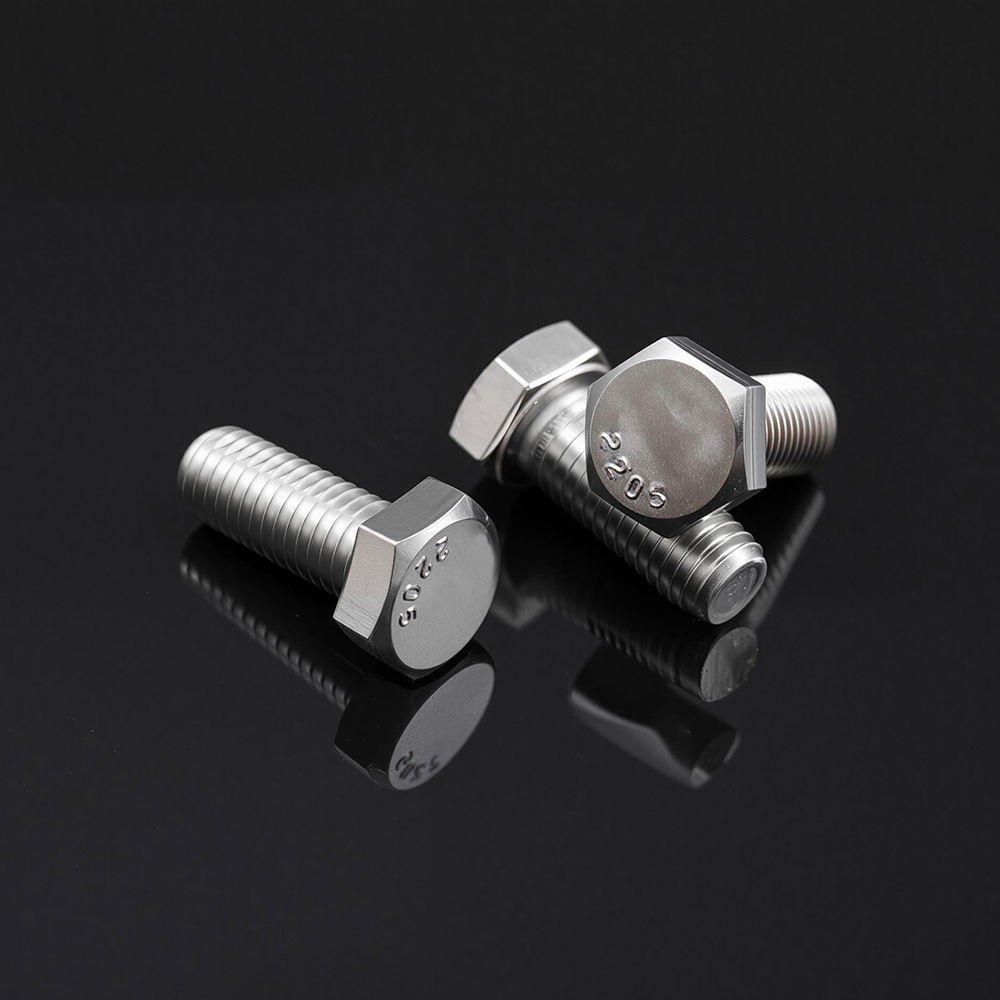
| Hex head | Hex wrench or socket | 0.65d | General machinery, brackets and construction; needs side room for the wrench swing |
| Heavy hex | Hex wrench or impact socket | 0.68d | Structural steel and high clamp load; larger wrench, heavier part |
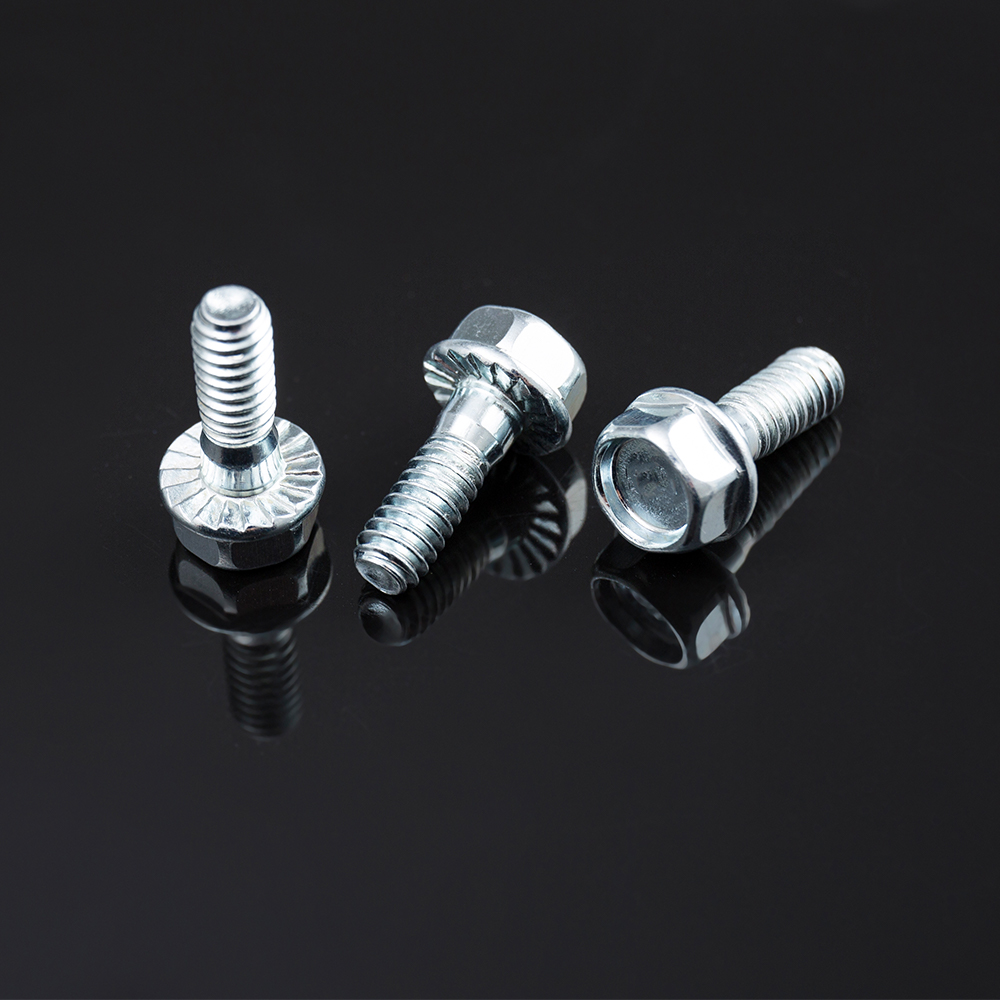
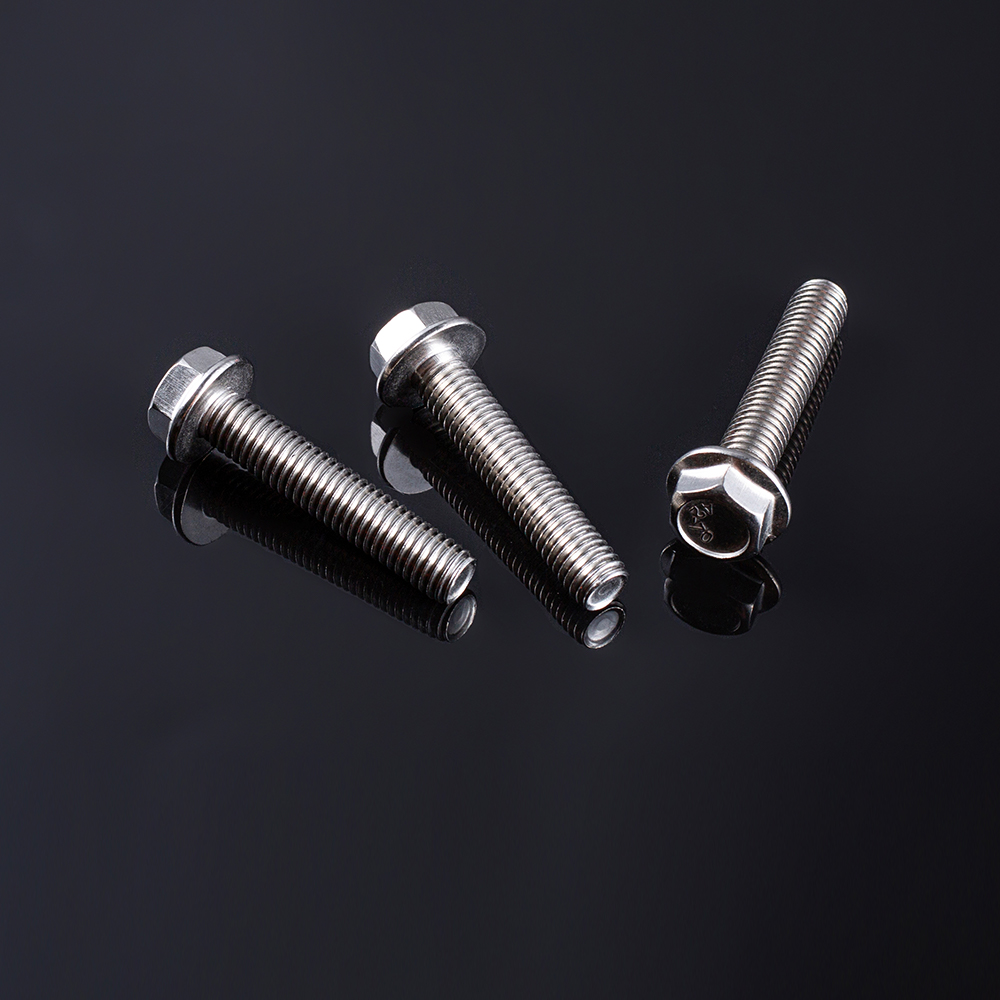
| Hex flange | Hex wrench, serrated or plain underhead | 0.65d plus flange | Replaces a separate washer on soft or painted surfaces; serrations can mar finishes |
| Carriage | No drive at the head; square neck locks | 0.55d | Timber, fencing and trailer decks; tighten from the nut side only |
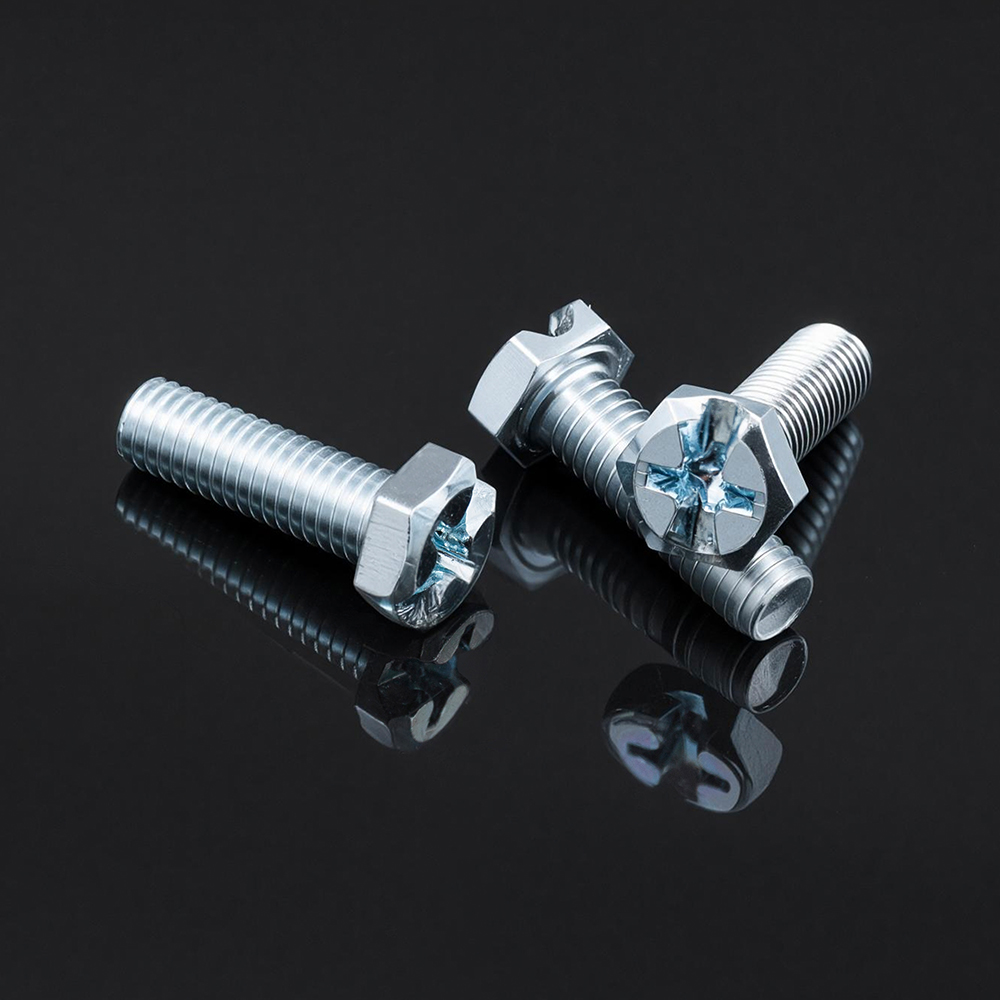
| Flat countersunk | Phillips, slot or hex socket | 0.50d, flush | Slides, guides and consumer surfaces; needs a matched countersink |
| Socket head cap | Hex key driven from inside | 1.00d | Tight pockets, fixtures and precision equipment; smaller bearing face |
| Eye head | No drive; loop accepts hardware | Loop size varies | Lifting and tie-down points; never side-load a plain pattern |
Head height appears in multiples of the nominal thread diameter d so the figures stay comparable across sizes. Confirm the exact value against the governing standard on your print, because ASME and ISO tables differ slightly by diameter.
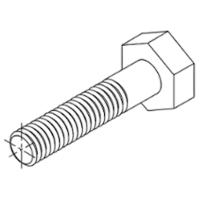
Hex-family heads win by default wherever a wrench or impact socket can reach the joint, because they transfer more torque than any common external drive at the lowest tooling cost. Three variants dominate purchase orders. The standard hex cap screw carries a washer face and tighter tolerance control under ASME B18.2.1, which suits tapped-hole assembly. The heavy hex head widens the across-flats dimension to raise clamp load capacity in structural steel. The hex flange bolt builds the washer into the head, serrated for anti-spin or plain for coated surfaces, while the hex tap bolt runs fully threaded for through-hole work.
A 1/2-inch hex cap screw takes a 3/4-inch wrench. The heavy hex head on the same diameter steps up to 7/8-inch across flats, roughly 36 percent more bearing area, which is exactly what structural connections are counting on.
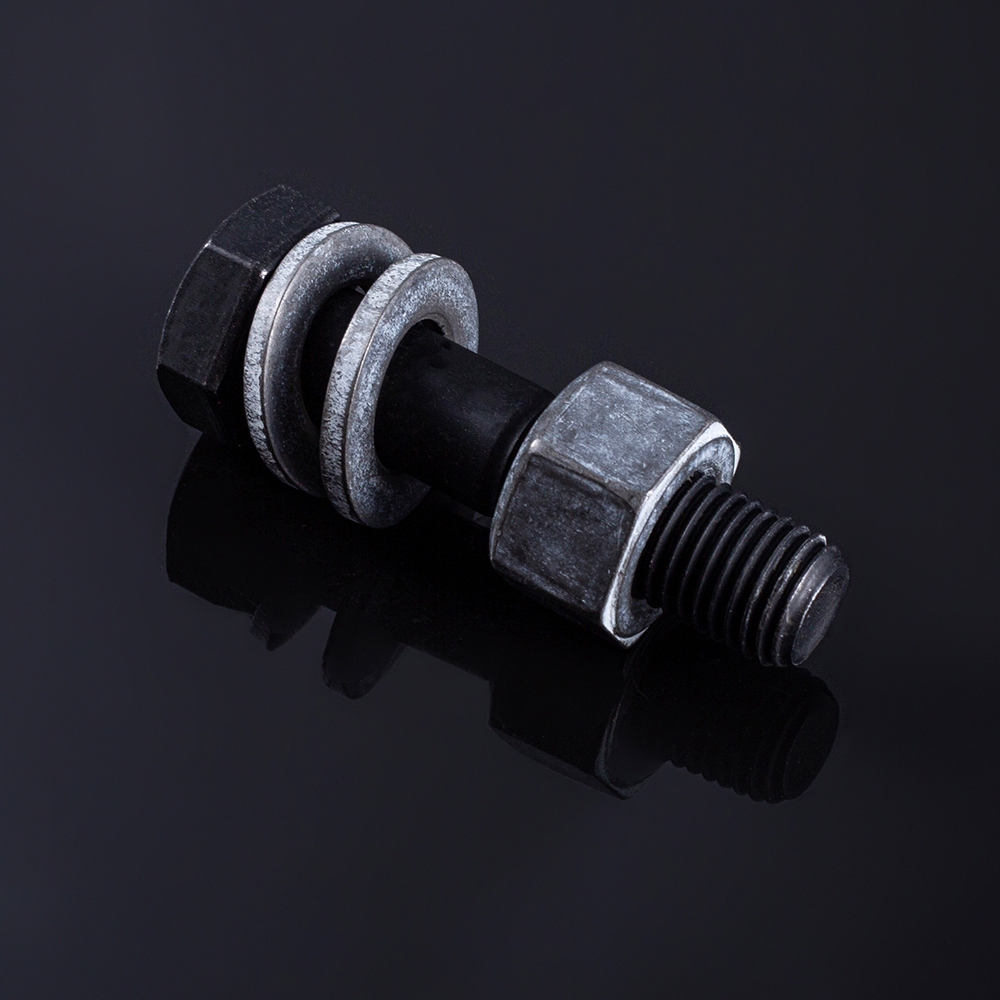 Heavy Hex Bolt for Structural ConnectionsWith a thicker head offering roughly 36 percent more bearing area than a standard hex cap screw of the same diameter, this bolt delivers the load distribution and stability structural joints depend on, making it worth reviewing here.View Product →
When the real problem is keeping the bolt from turning, hanging hardware off the joint or sliding the fastener into a slot, these heads solve it through geometry rather than torque.
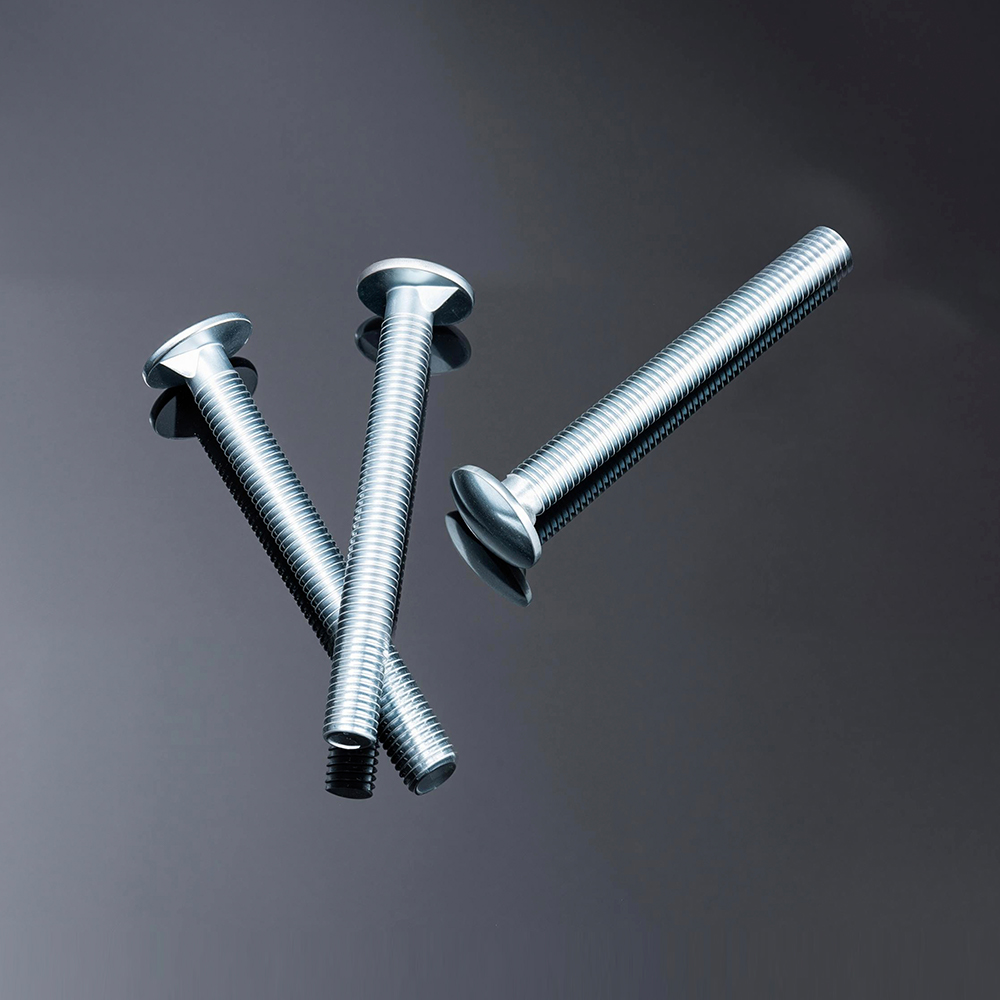
A carriage bolt carries a domed head with no drive flats at all. Its square neck pulls into a round hole and locks the head in place so the nut can be torqued from the far side. Underhead flange serrations do the same job on machine joints where a square hole is not an option.
Countersunk and socket heads trade bearing area for clearance. A flat countersunk head, cut at 82 degrees in inch sizes and 90 degrees in metric, sinks into the material so slides, guides and wearable parts keep a continuous surface. It stands about half a diameter tall and demands a matched countersink, or the head sits proud and steals clamp load. The socket head cap screw works the opposite side of the problem: a cylindrical head exactly one diameter tall and about 1.5 diameters across, driven by a hex key from inside, delivering high torque in pockets no wrench can swing.
In instrument and electronics assemblies, seating accuracy matters as much as tensile rating, which is why industrial precision screws are specified with controlled head runout and consistent bearing faces.
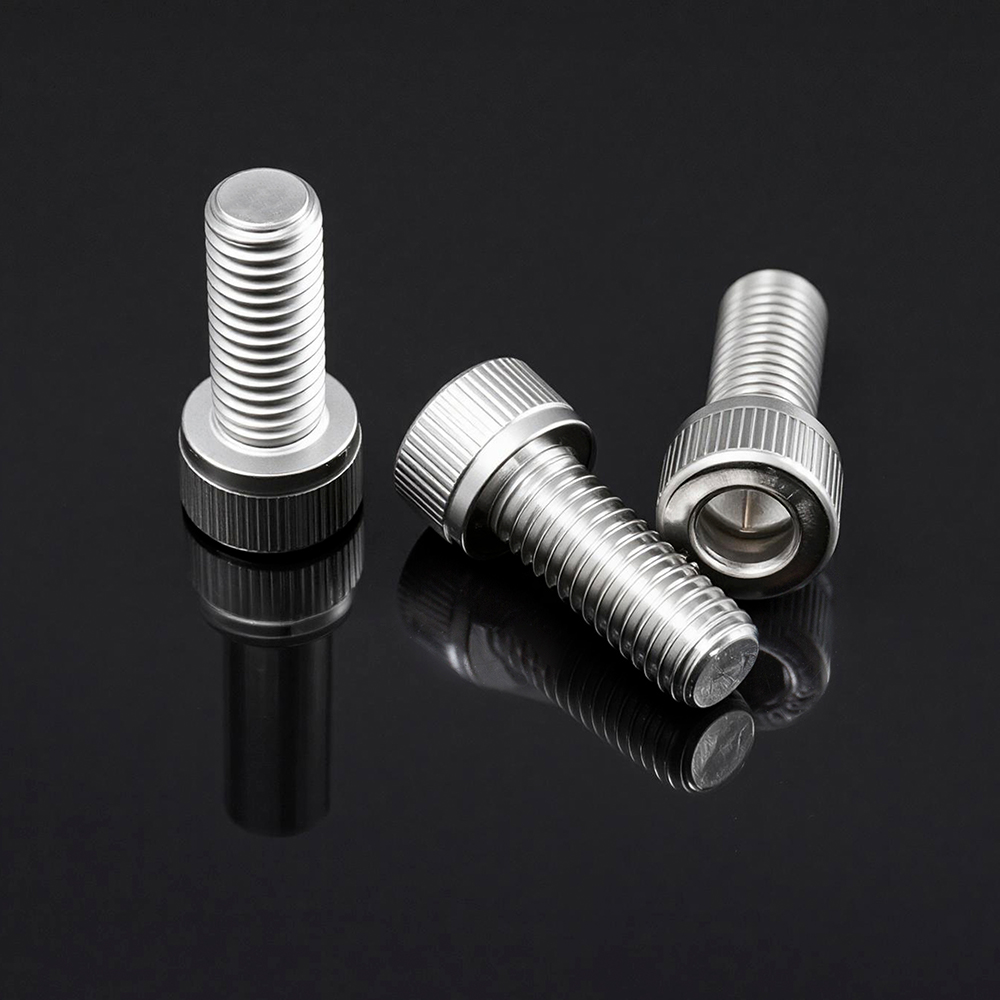 Hex Socket Cap Machine ScrewIts cylindrical head with internal hex drive handles high torque and resists stripping, and precision threads with consistent bearing faces suit instrument and electronics assemblies where seating accuracy matters as much as strength.View Product →
Choose the head last, once four joint conditions are on the table, and the decision usually makes itself.
A non-standard head is a routine inquiry for a fastener mill, not an exotic exception. Prints regularly call out taller heads for extra wrench engagement, low-profile heads for packaging machinery, special drive recesses for automated assembly, or a washer face at a non-catalog diameter. Producing those parts at volume takes cold heading, hot forging and CNC machining under one roof, plus export logistics that land them on schedule. Zhejiang Chance & Union Import and Export Co., Ltd. (Chance & Union), a family-run fastener exporter backed by 20 years of metal manufacturing, supplies hex, carriage and non-standard bolts in stainless steel, alloy steel and non-ferrous materials, and reports shipments to more than 25 countries for over 200 customers.
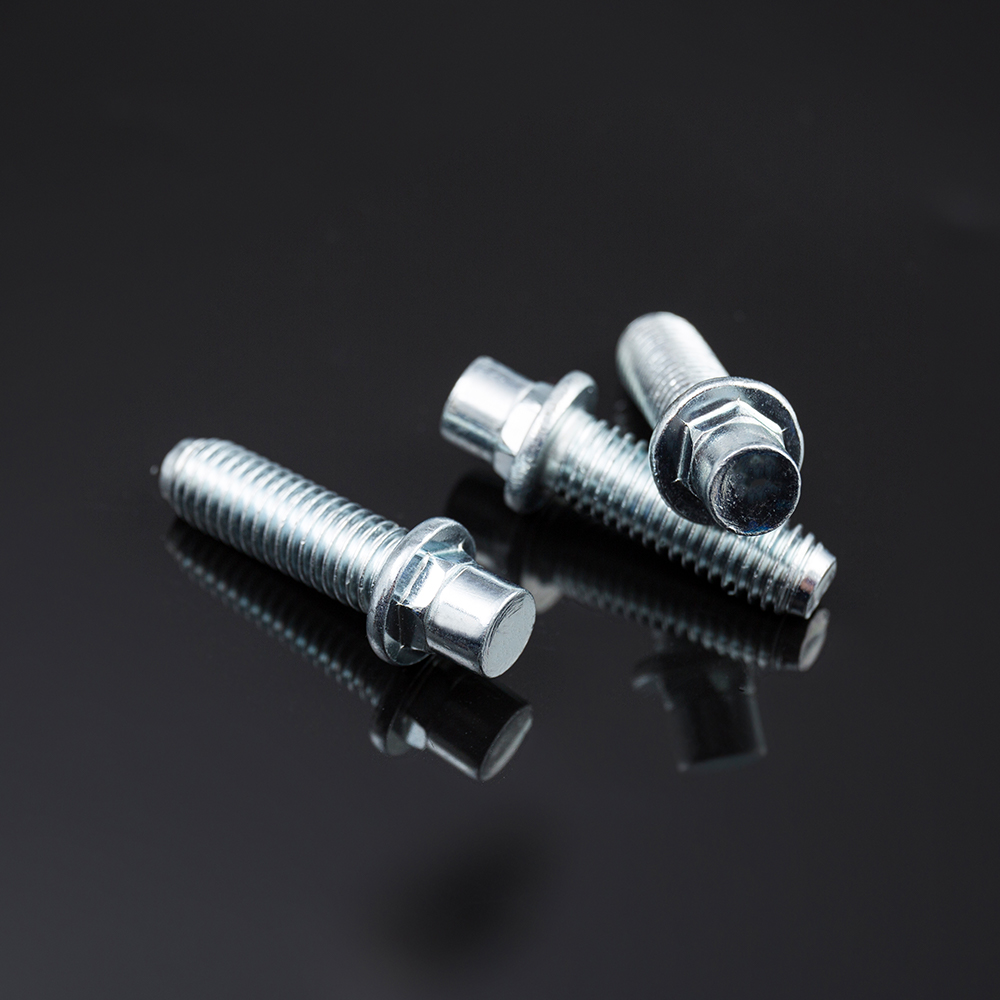 Custom Non-Standard BoltTaller, low-profile or specially driven heads that no catalog carries are routine for a supplier with cold heading, hot forging and CNC machining in-house, so non-standard prints can be produced at volume and shipped on schedule.View Product →
If the print calls out a head that no catalog carries, that is not a problem. It is a normal inquiry for a supplier with cold heading and CNC under one roof.
The advice given to every first-time custom bolt customer.
The hex head. It offers universal tool availability, the highest torque transfer among external drives and the lowest unit cost, which is why it dominates general manufacturing. The serrated flange variant has become the default in automotive assembly for the same reasons plus spin resistance.
Both share hex geometry under ASME B18.2.1. The cap screw carries tighter tolerance control and a finished washer face, and it is intended for tapped holes or close-fit nuts, while the hex bolt is the general-assembly part supplied with a nut.
Usually yes, provided the 1.5d head diameter fits the mating feature and a hex key can reach the drive. Check two things first: the smaller bearing face raises surface pressure on soft material, and the taller 1.0d head needs vertical clearance.
Only indirectly. Serrations and underhead crevices trap moisture, so smooth flange faces age better in wet service, but material and coating decide corrosion life. For outdoor and marine work, specify stainless bolts paired with matching washers and inspect the underhead during maintenance.






 English
 Español
 عربى
عربى