

Content
A conveyor drive that runs eight hours a day can walk a plain nut off its bolt within weeks of service. Maintenance crews meet the same failure on engine brackets, HVAC fan assemblies, and vibrating hoppers: the bolt is still seated, the threads are intact, yet the nut has crept backward until the joint rattles, leaks, or drops parts. The driver is usually transverse motion, which slides the nut sideways against the bolt and rotates it loose without any reverse torque, and blocking that walk is exactly what a lock washer is built to do.
The part costs cents, yet it protects assemblies worth thousands of dollars, so it pays to know how it works and where it stops working.
A lock washer is a spring-type or toothed washer fitted under a nut or bolt head that resists loosening by holding spring tension, raising friction, or biting mechanically into the mating surface when vibration, thermal cycling, or dynamic loads try to back the fastener off.
Short answer: a lock washer stops a threaded fastener from backing off. Everything else follows from that one job. Spring-type washers push back against the nut and keep bearing faces loaded when a joint settles; toothed washers grip the surface and resist relative rotation. A flat washer spreads clamp load and protects finishes, so the two are complements rather than rivals, and many assemblies stack both under the same nut.
Bottom line: a lock washer manages the interface between the rotating fastener and the joint surface. If preload is wrong or the joint design is marginal, no washer will rescue the assembly.
Direct answer: lock washers rely on three mechanisms, which are spring tension, friction, and mechanical interlock. Each washer family leans mainly on one of them, which is why two washers that look similar can behave very differently on the same joint.
Pick the washer by the mating surface and the load direction first, thread series second. The table below compares the three families most workshops stock, and it mirrors what we manufacture and export at Zhejiang Chance and Union Import and Export Co., Ltd. alongside custom non-standard washers made to customer drawings.
| Type | Locking action | Best suited to | Watch out for |
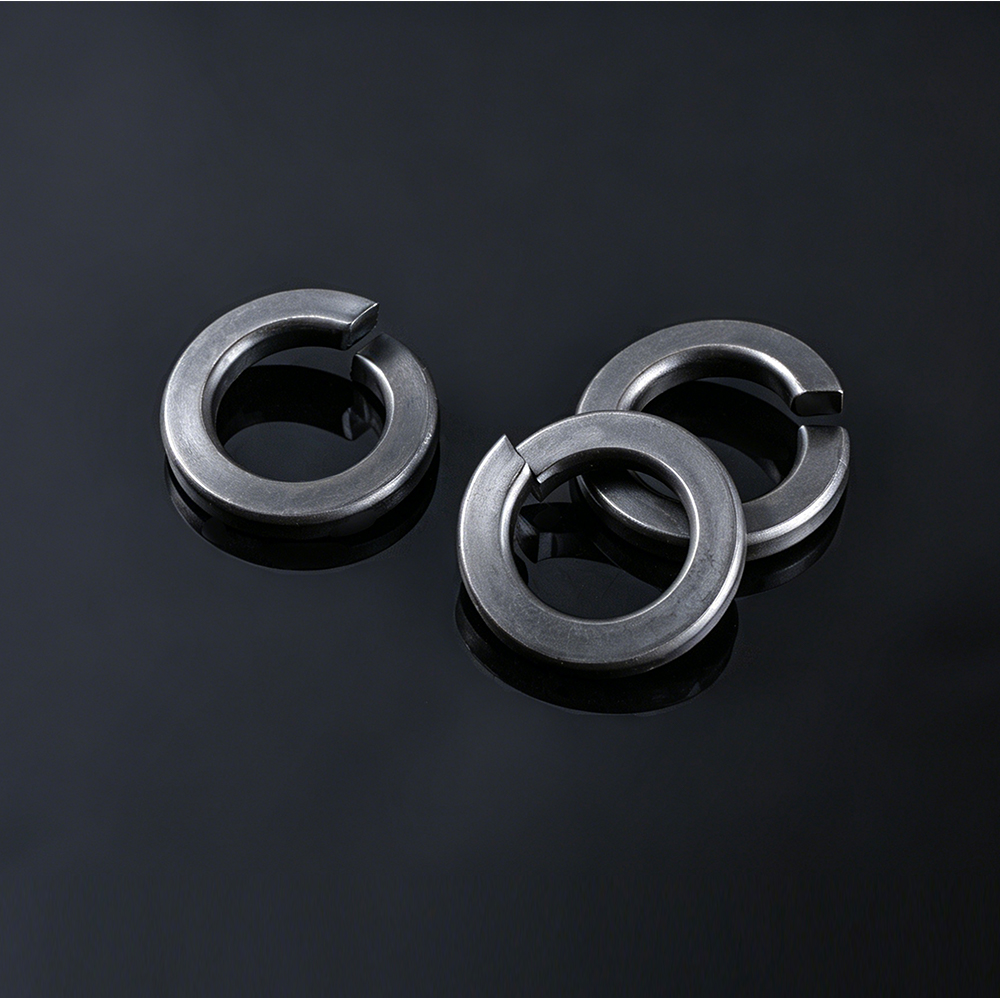
| Helical spring (split) washer | Spring force at the bearing face | General machinery, non-critical joints, metric and imperial threads | Weak on hard flat faces; avoid soft materials |
| External tooth washer | Teeth bite outward around the nut or head | Electrical grounding, thin sheet, softer surfaces | Scratches finishes; poor for repeated disassembly |
| Internal tooth washer | Teeth bite inward beneath the head | Small screws, tight clearance, visible faces | Smaller bite radius, lower holding power |
Choosing between the two tooth styles matters most in electronics and appliance work, where clearance is tight; we explain how external and internal tooth lock washers differ in bite direction and typical applications in a dedicated guide.
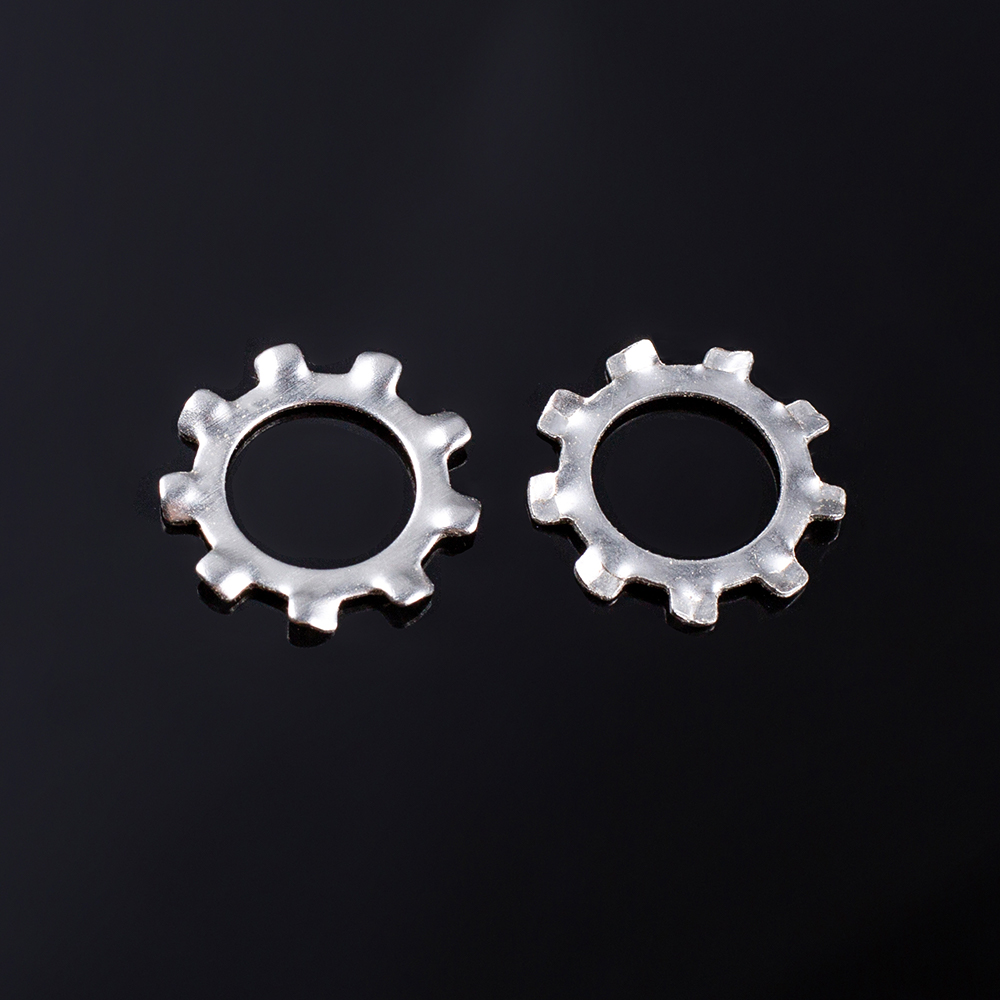 External Tooth Lock Washer for High-Friction Vibration ResistanceWith outward-facing teeth that grip the fastener head and mating surface, this washer adds strong friction against rotation. It suits sheet metal, electrical, and automotive assemblies, especially where clearance is tight and bite direction matters.View Product →
 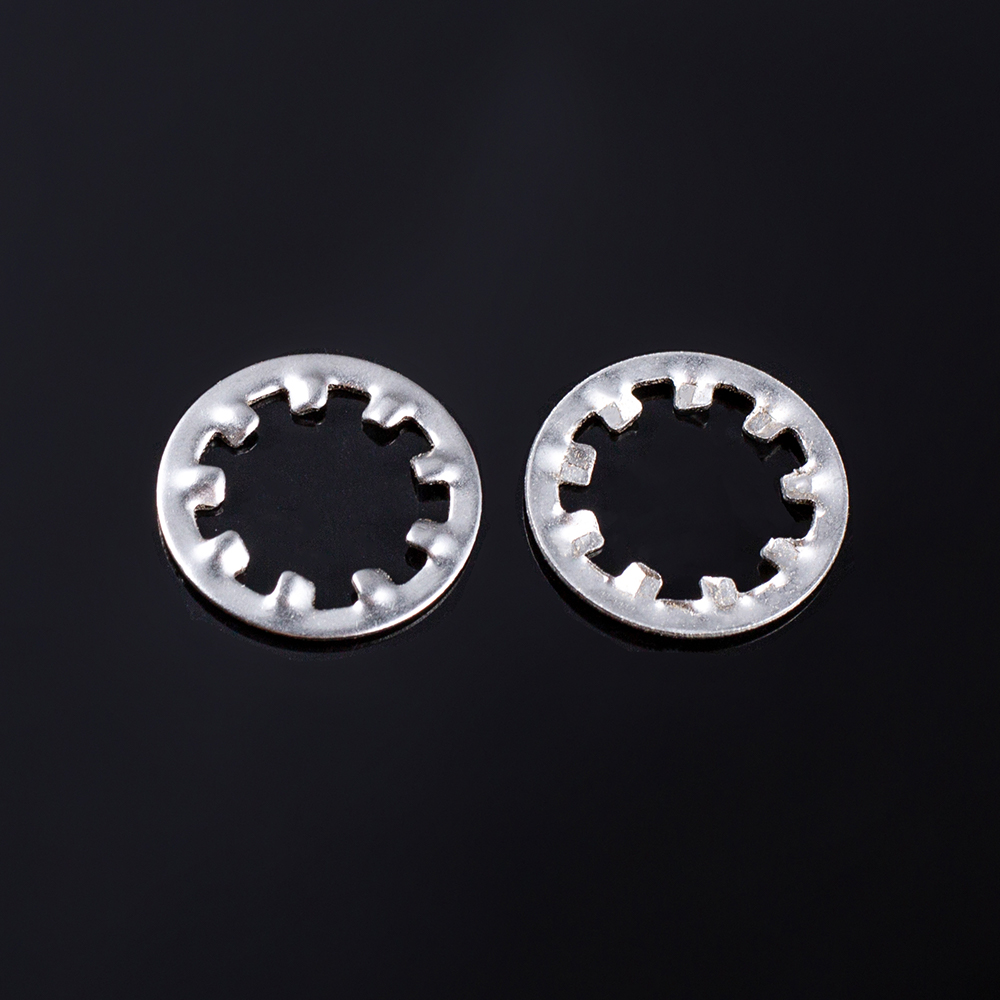 Internal Tooth Lock Washer for Small Fasteners and Low ProfilesInward-facing teeth bite into smaller fastener heads while keeping a low profile, making this washer a fit for electronics, furniture, and precision machinery. It pairs naturally with external tooth styles where tight spaces limit washer choice.View Product →
 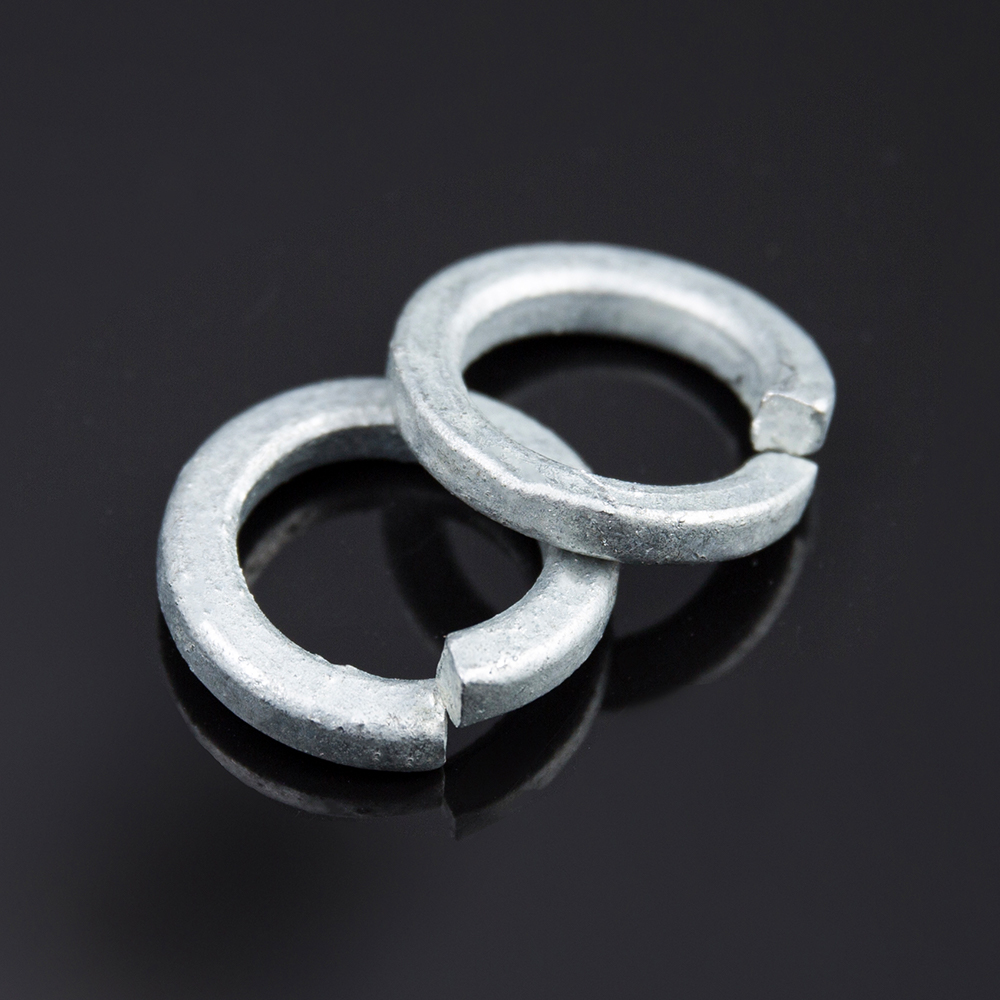 Metric Spring Washer for Standard Metric Bolted JointsA split, helical washer built to metric specifications, providing spring tension that helps maintain preload against vibration and thermal cycling. It is a practical option for general machinery, automotive, and construction work using metric fasteners.View Product →
Answer first: lock washers perform well against rotational loosening and mild vibration, and they lose effectiveness fastest under transverse sliding across hard, lubricated, or overloaded bearing faces. Rotation under the nut is rare in service; sideways sliding that forces thread migration is the common enemy, and it is also the condition spring washers handle least well on hard faces.
These three references shape how engineers judge locking devices, and the chart shows the pattern transverse vibration testing consistently exposes.
Surfaces and states that defeat lock washers include hardened faces ground flat, oversize or slotted holes, reused washers with flattened teeth or collapsed coils, and soft aluminum assemblies with no flat washer underneath to carry the bite.
Placement and surface preparation decide the outcome, and the five-step sequence below is the one assembly shops follow.
Either position can work, and practice usually places it under the rotated element, typically the nut. What matters is that the washer bites a surface that will not spin and that both working faces stay clean.
Treat helical spring washers as single-use on critical joints because they lose free height and temper after compression. Tooth washers dull with each cycle. Inspect flatness and tooth sharpness before any reuse on general equipment.
They solve different problems. Adhesives suit sealed, high-temperature, permanent joints; all-metal and nylon lock nuts suit repeated assembly; washers suit jobs where surface contact and quick disassembly matter. Match the device to vibration direction and service temperature.
A flat washer distributes clamp load and protects the surface. A lock washer resists rotation. They are complements, not substitutes, which is why many assemblies stack both under the same nut.






 English
 Español
 عربى
عربى